Why Guided Tours Help You Pack Smarter
Going with a guided tour means you’ll have local gear recommendations, and you won’t have to worry about packing everything yourself


Search For Tours
There’s a reason people return to the Big Island just to stand here again.
Steam rises from the earth, the air carries stories, and time slows down. In this Hawaiʻi Volcanoes National Park guide, you’ll find more than directions – you’ll uncover what most travel blogs skip: lava flow updates, cultural insight, respectful travel tips, and the kind of magic you only notice when you’re paying attention.
Whether you’re here for awe, adventure, or healing, this guide helps you explore the park with intention – and leave with more than photos.
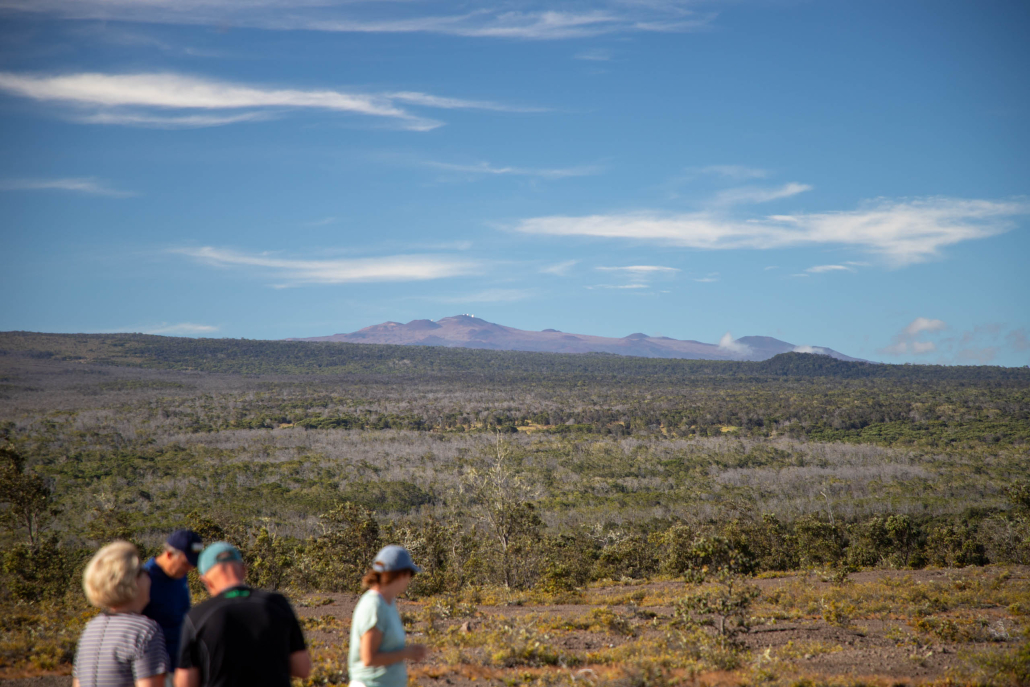
Where Pele Moves, and the Island Breathes
Hawaiʻi Volcanoes National Park is so much more than a sightseeing stop. For starters, it’s alive – it’s steam vents hiss beneath your feet, and its ground trembles with history.
At the heart of it all is Pele, the Hawaiian goddess of fire. You feel her presence in the glowing lava, the quake of the earth, and the hush that settles in your chest when you pause. Learn more about the goddess Pele and her story
But beyond the maps and signage, this land is also a wahi pana – a storied, sacred space. Native Hawaiians have revered these craters and forests for centuries, not merely as geological oddities but as living genealogy. As you walk the trails, notice steam curling from fissures, rainbows forming in the mist, and rock still cooling from past eruptions. Above all, slow down and respect the rhythms. You’ll have a richer trip because of it.
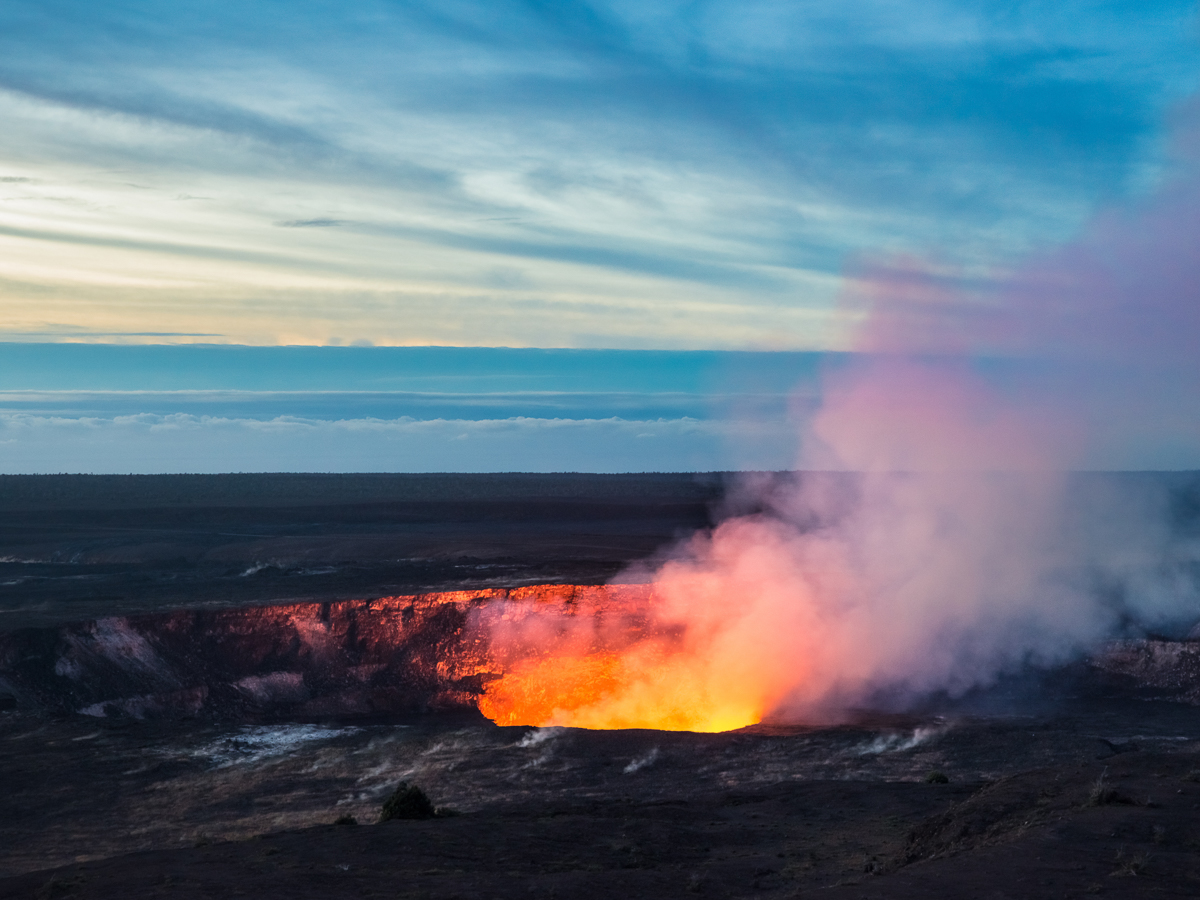
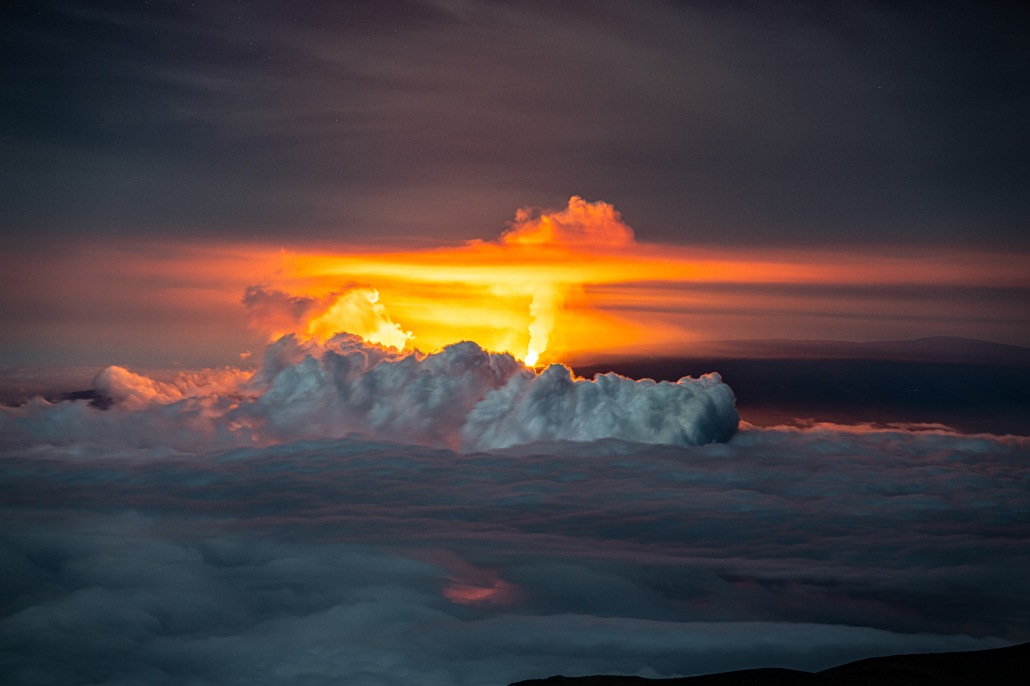
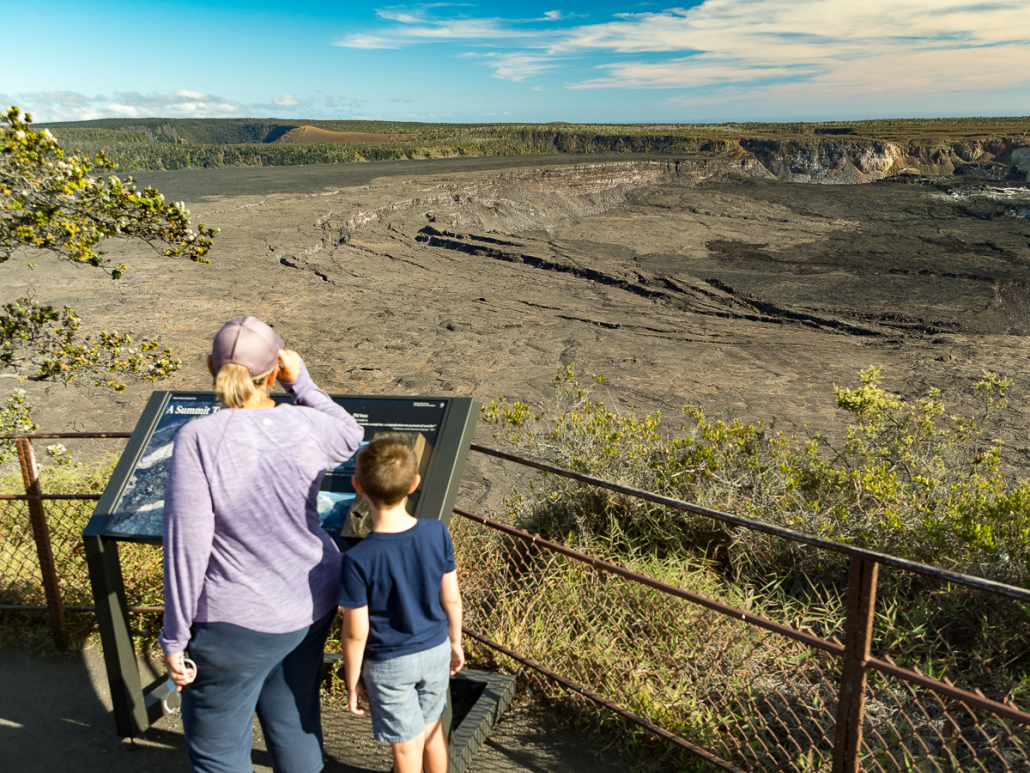
Kīlauea crater lava glow at sunset
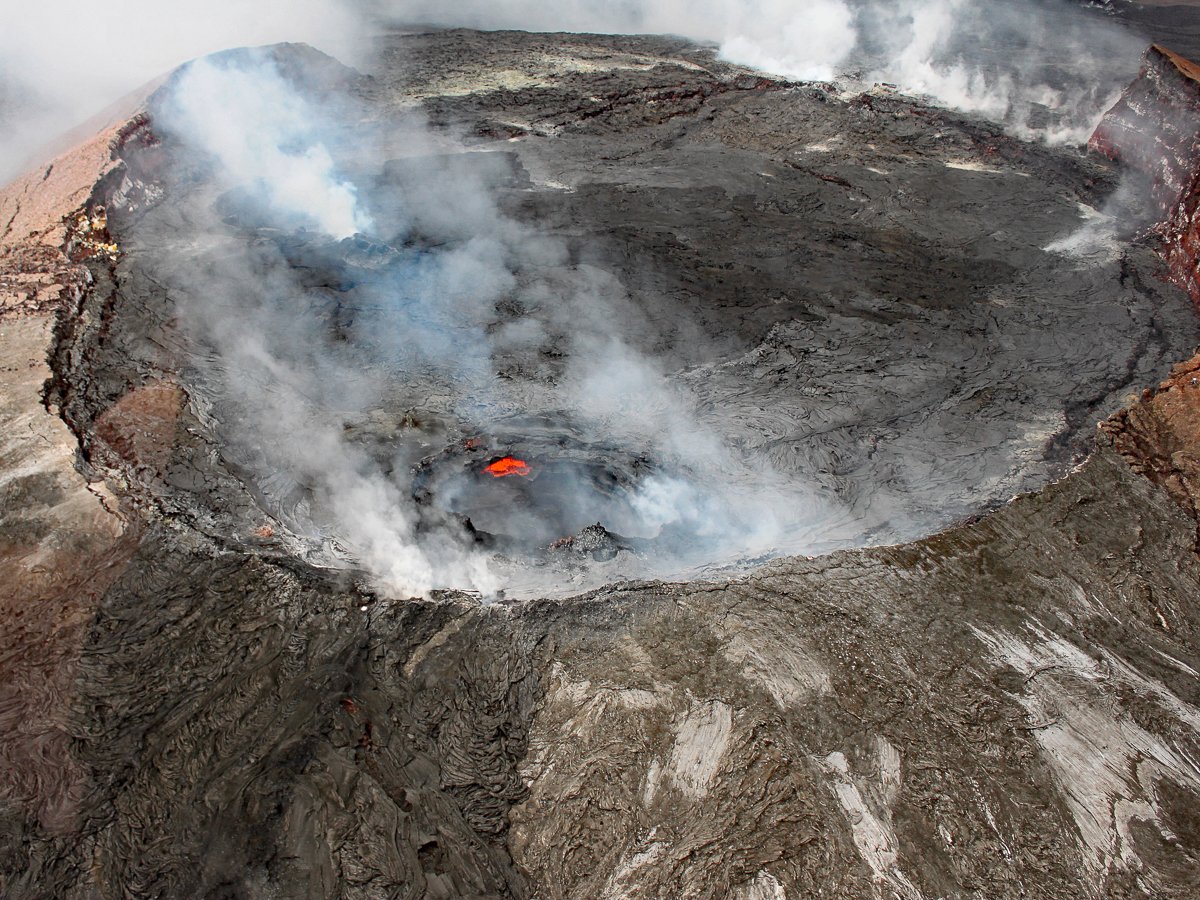
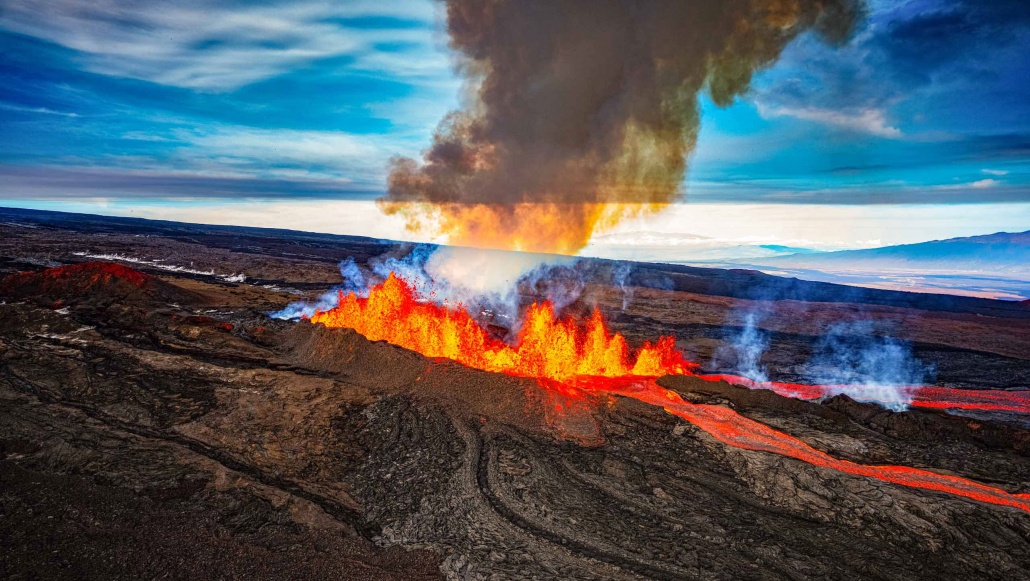
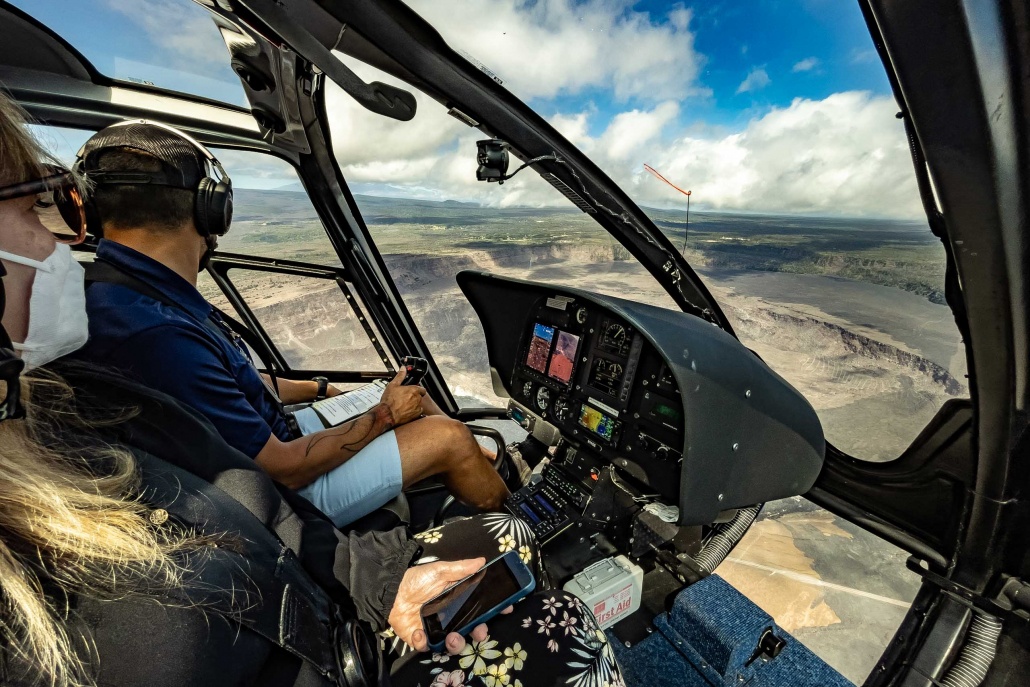
Aerial of active Kīlauea volcano crater
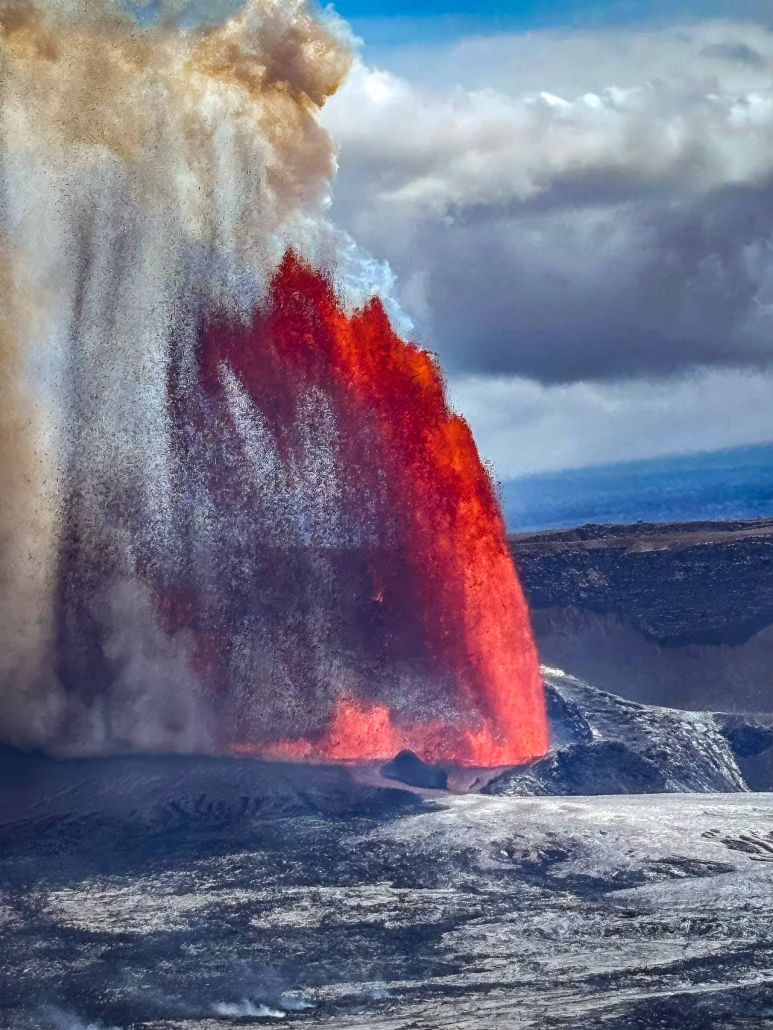
First, Kīlauea steals the spotlight. It has been erupting on and off for decades, and if lava is flowing, this is where you’ll likely see it. Consequently, most visitors spend their time here – wandering crater rims and gazing into glowing vents.
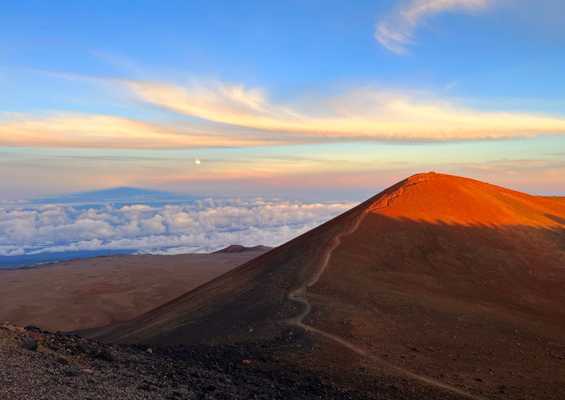
Meanwhile, Mauna Loa is the largest volcano on Earth by volume. Although it last erupted in 2022 after nearly 40 years of silence, it often sleeps. Nonetheless, its sheet scale – towering above the rainforest – makes it worth witnessing, even when it’s quiet.
Pro tip: Lava activity is not guaranteed. Always check the USGS Hawaiian Volcano Observatory for real-time updates before you go.
As of early 2025, here’s what to know: Kīlauea entered another active phase with fissure eruptions and fresh lava flows. If you’d like the full rundown, read our latest eruptions report: Kīlauea 2025: Episodes of Fire and Wonder
If you’re hoping to experience Kīlauea’s activity without the stress of planning, consider joining one of our guided volcano tours, led by experts who monitor the latest USGS updates and know the best viewing spots.
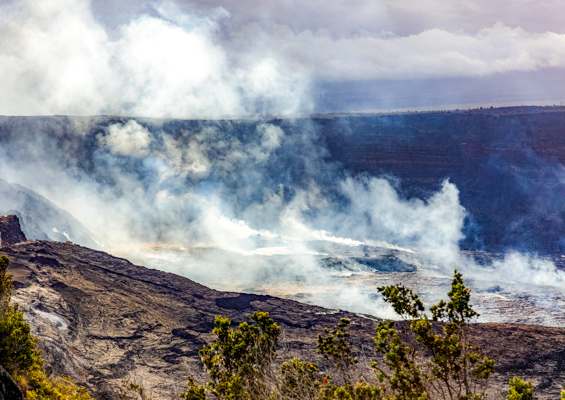
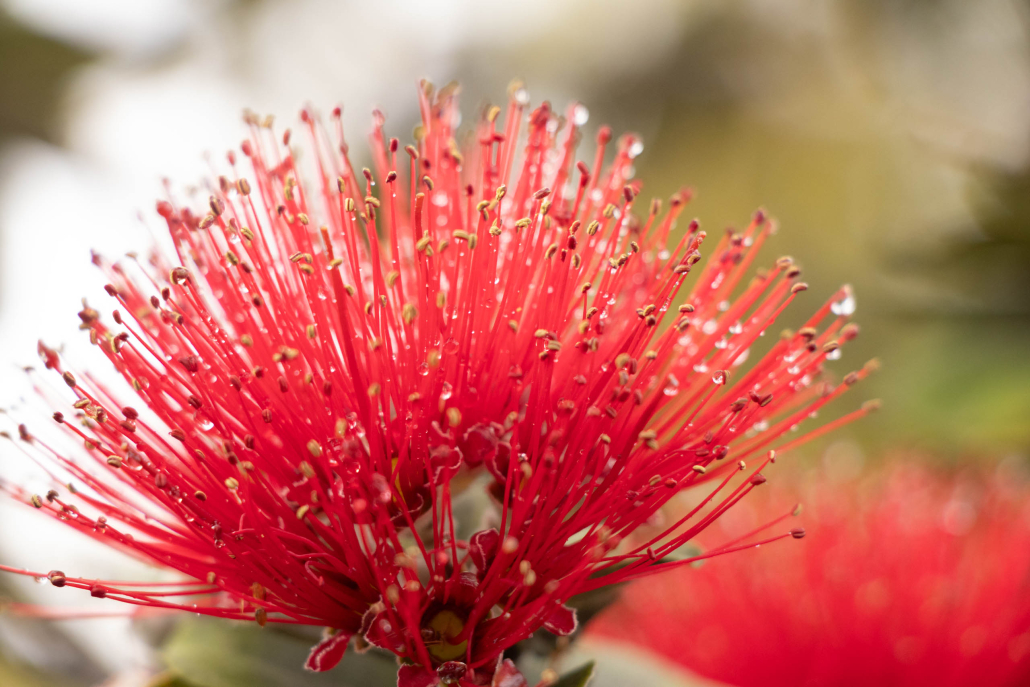
Beyond the fire and flow, this park tells another story – one of rebirth. For example, ‘ōhi’a lehua trees bloom defiantly in hardened rock. In Hawaiian mo’olelo, ‘Ōhi’a and Lehua were lovers: jealous Pele turned ‘Ōhi’a into a tree, and the grieving Lehua into its blossom. Consequently, locals warn that picking the flower will make the rain fall – heaven’s tears for their separation. Native plants like the ʻŌhiʻa Lehua are a powerful symbol of resilience in Hawaiʻi Volcanoes National Park.
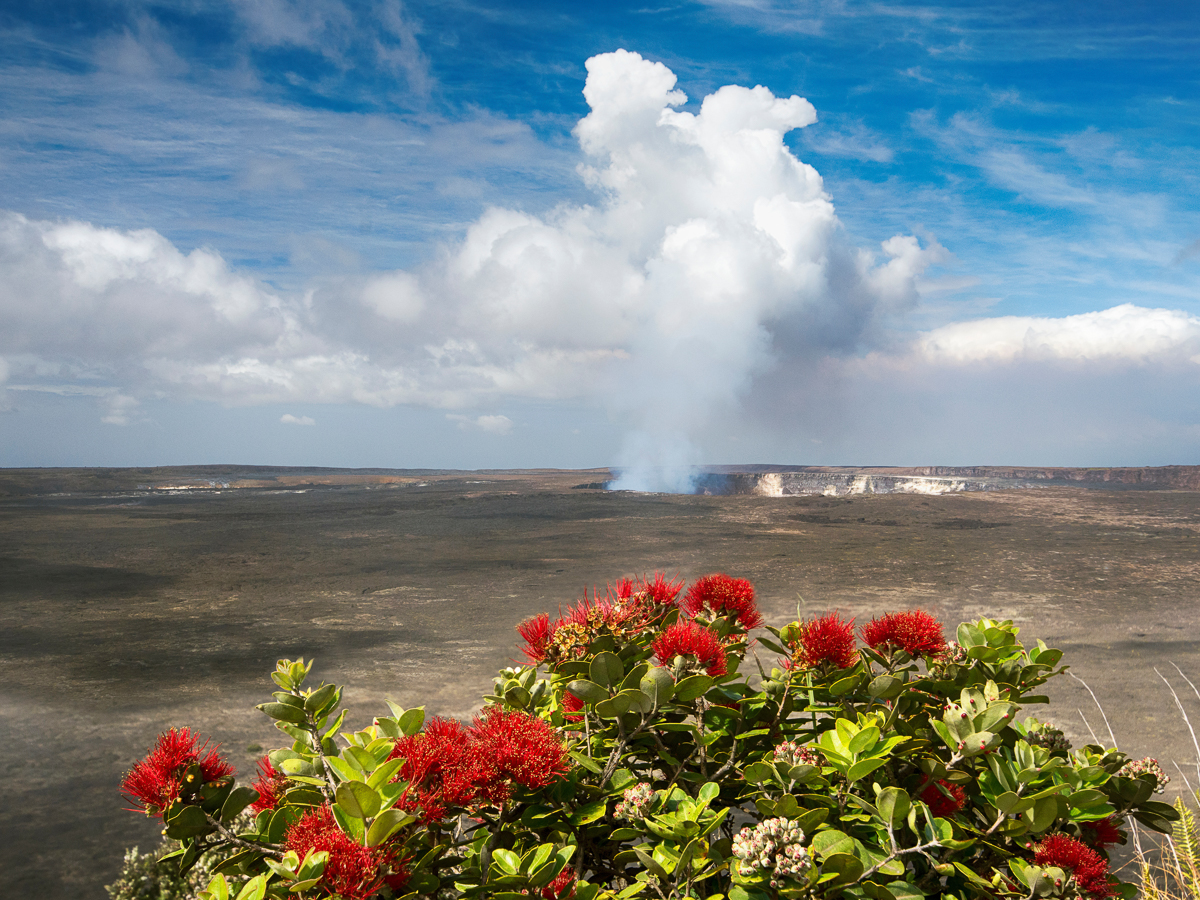
Kīlauea Crater and ʻōhiʻa lehua blossoms.
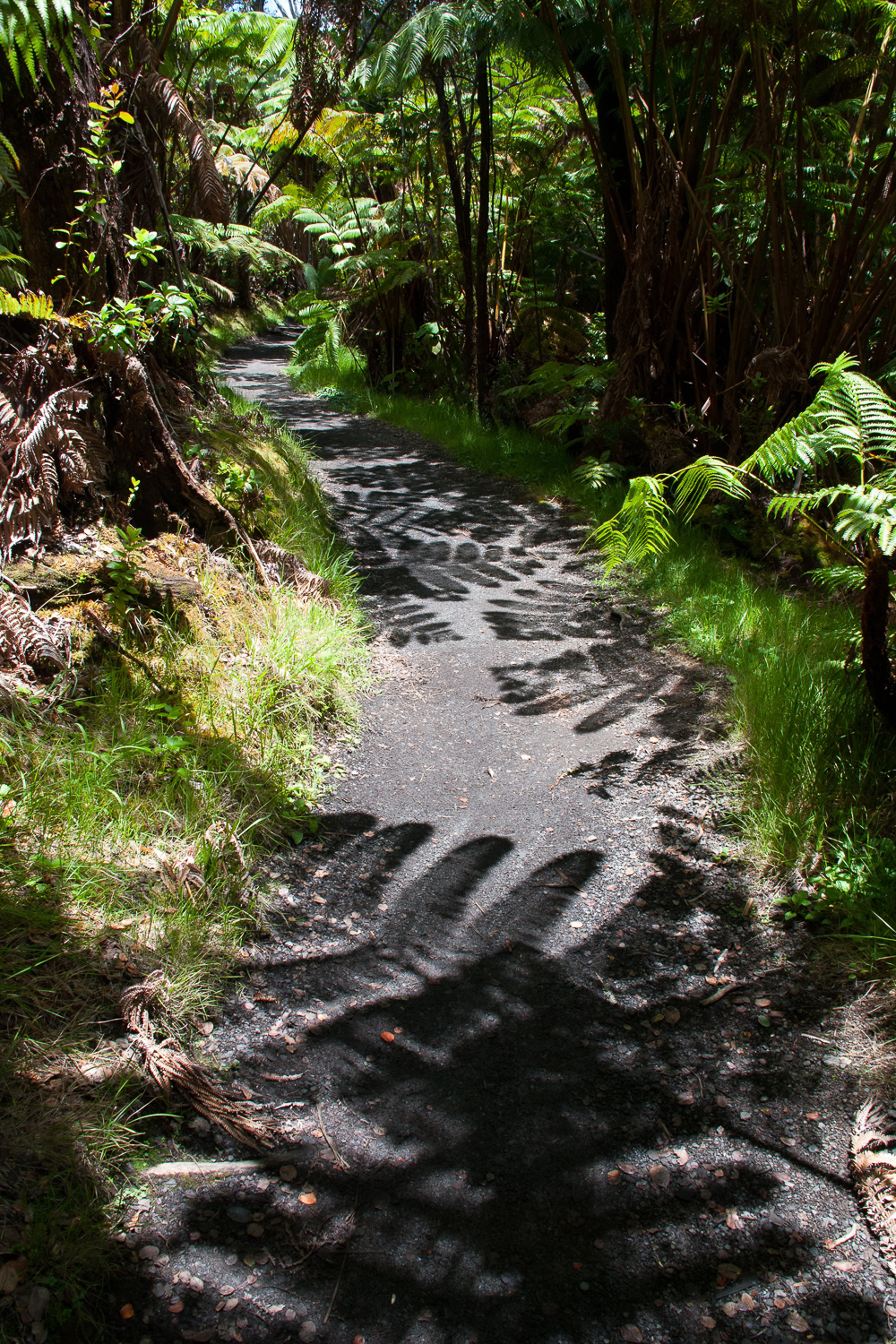
Devastation Trail hike with native ferns
In the same spirit of renewal, giant hāpu’u ferns unfurl like scrolls in the mist. Alongside ‘ōhi’a, they stabilize fragile soil and feed countless insects and birds. Therefore, when you see these green pioneers, remember they embody the park’s cycle of destruction and renewal.
(Hint: Not Just for Lava Glow)
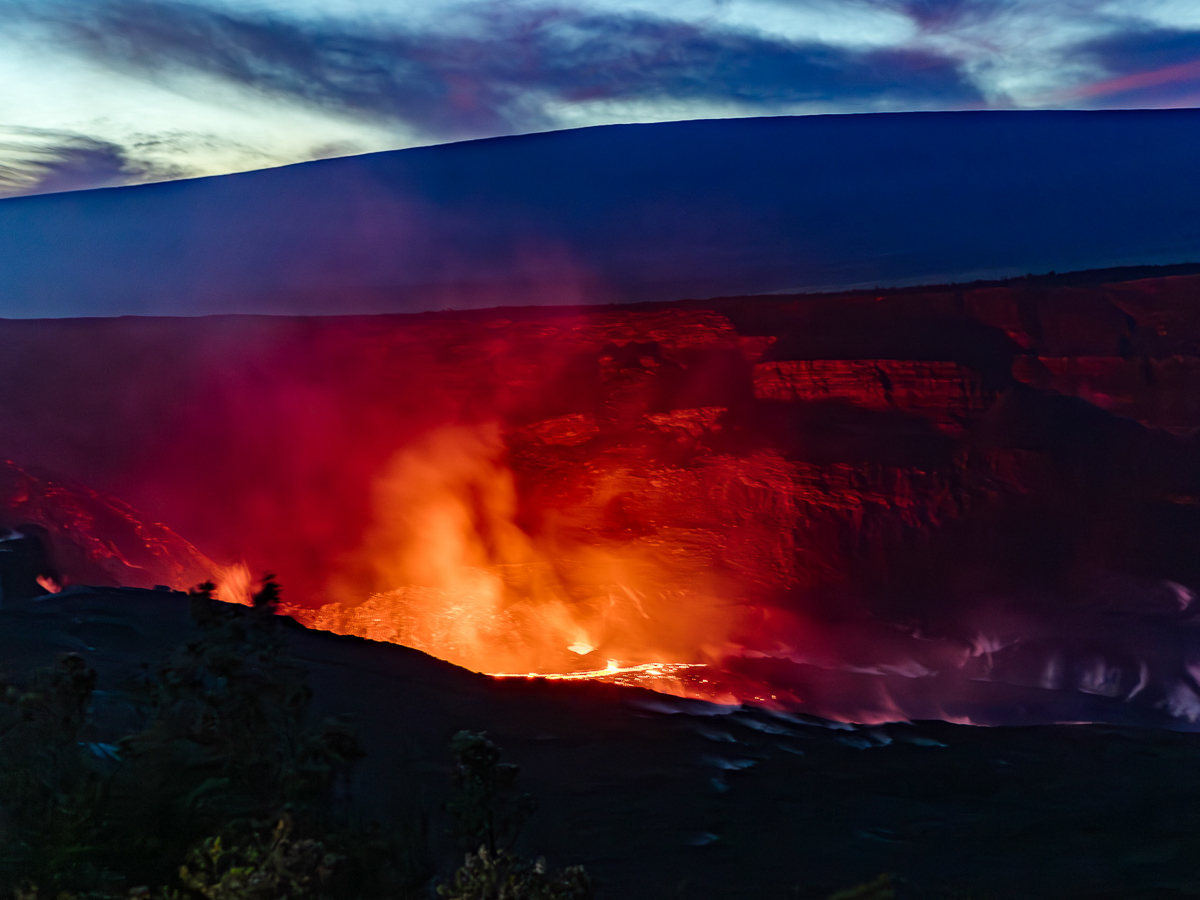
Halemaʻumaʻu Crater within Hawaiʻi Volcanoes National Park on the Big Island of Hawaiʻi
So when should you go? Each season brings its own magic:
Night visits during eruptions. The glow against the smoke is surreal – but it gets cold fast, so bring a jacket and tripod.
What to Bring: Packing Tips for Every Climate and Crater
Weather and terrain shift quickly here – from sea-level rainforest to windy crater rims – so here’s what to bring:
✅ Lightweight rain jacket – Expect sudden showers, even under blue skies.
✅ Sturdy shoes – Lava rock is uneven and sharp.
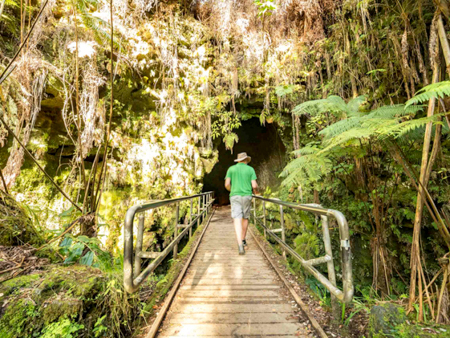
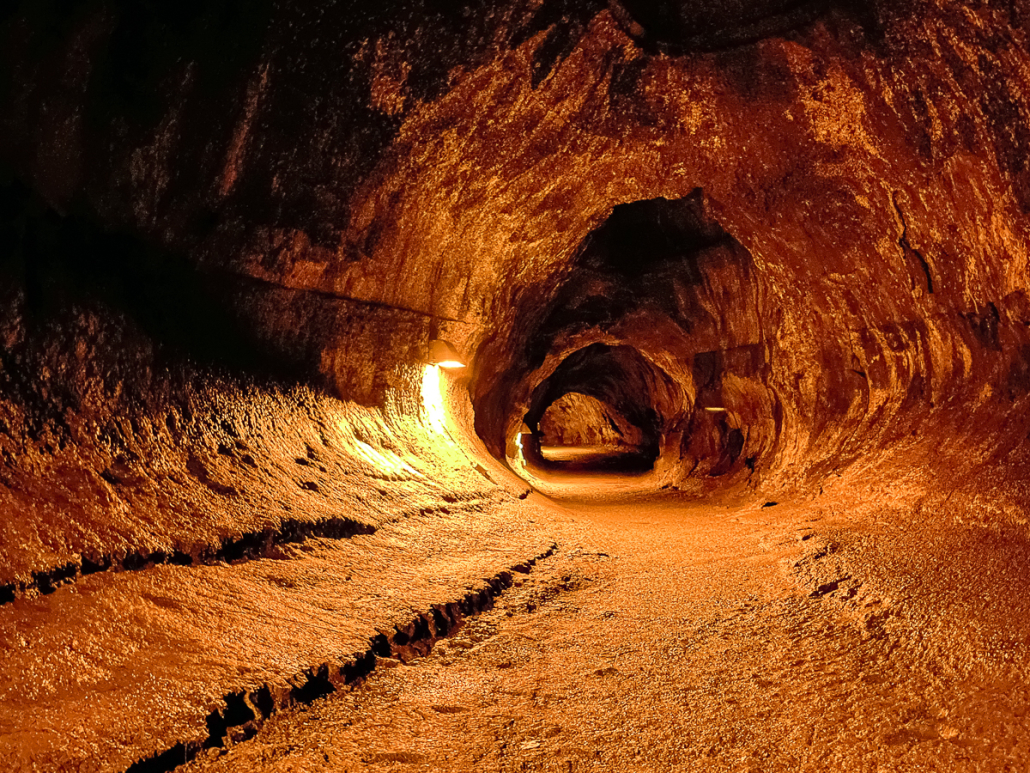
✅ Flashlight or headlamp – Crucial if you’re near lava tubes or hiking around sunset (especially for Nāhuku Lava Tube)
✅ Water + snacks – Services are limited deep in the park.
✅ Warm layers – Summit temperatures drop fast after dark.
❌ Drones – Not allowed inside the park (and not pono, anyway)
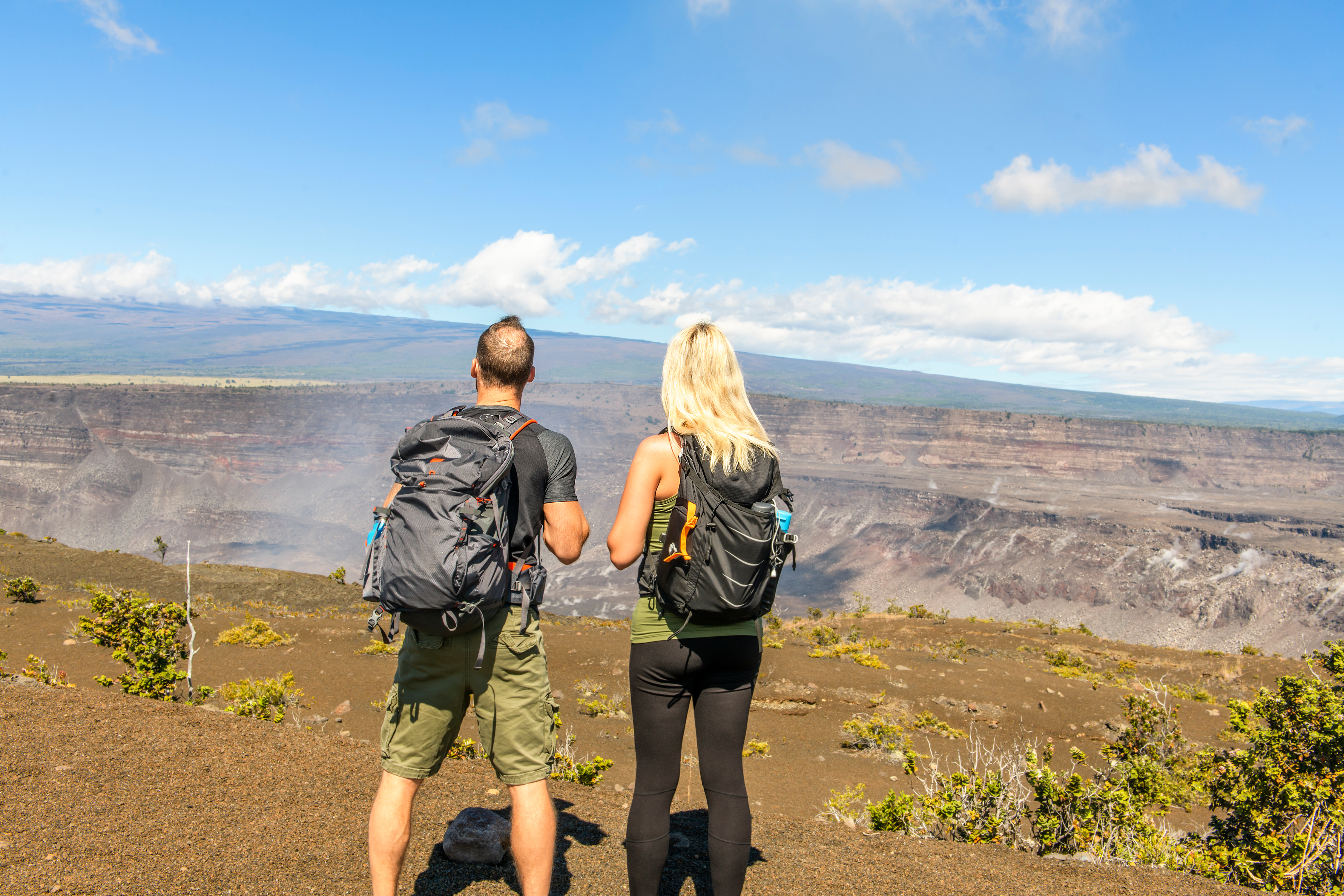
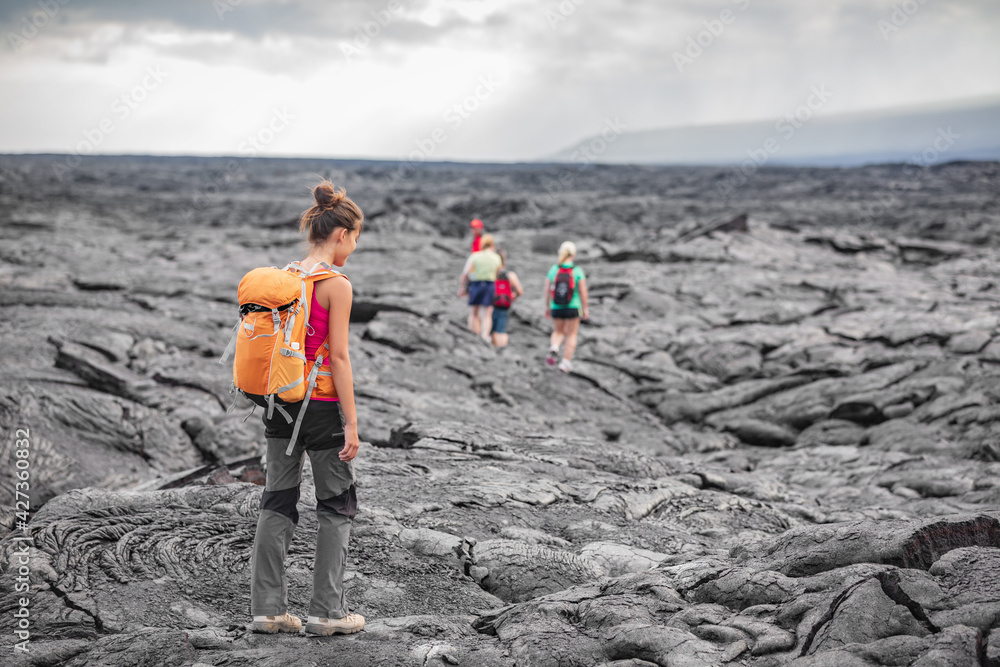

Going with a guided tour means you’ll have local gear recommendations, and you won’t have to worry about packing everything yourself
Visiting With Awareness and Aloha
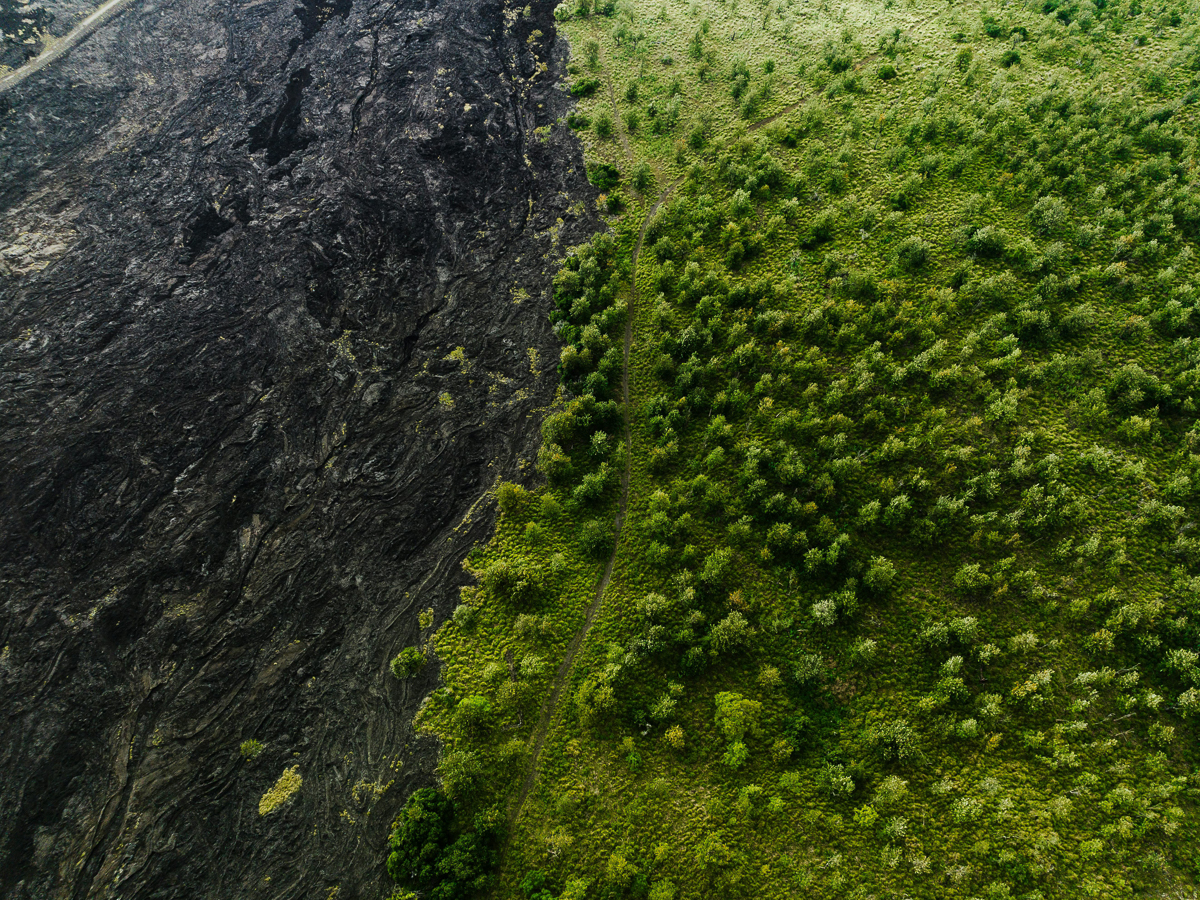
Don’t Just Visit — Connect
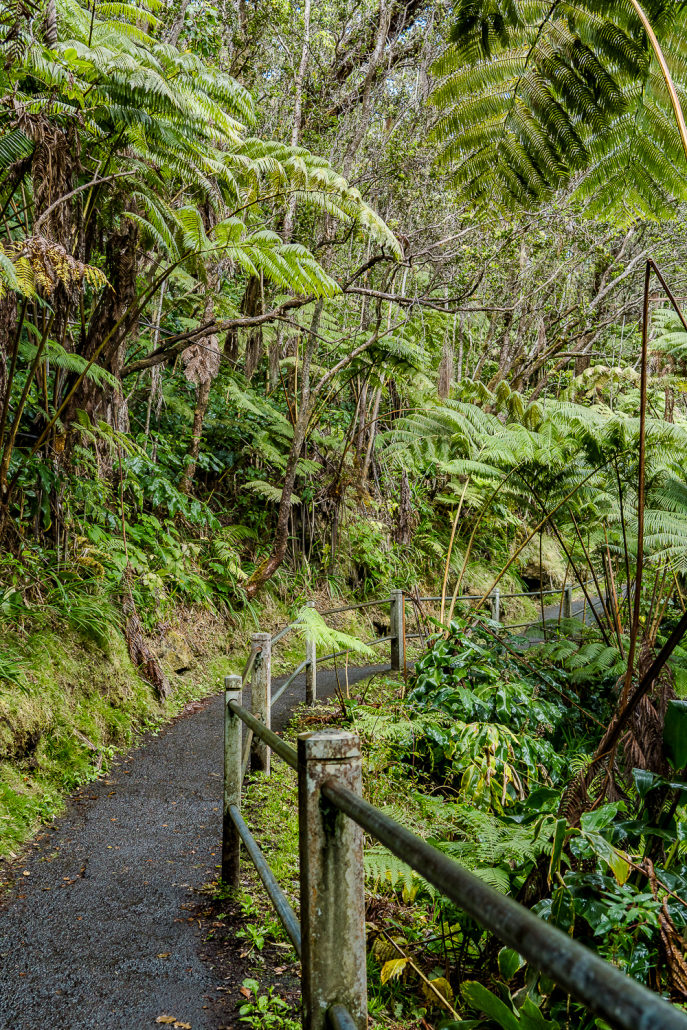
Whether it’s your first trip or your tenth, these insider tips will help you experience the park fully:
Go With a Guide, Not Just a Map
Let’s be honest: you might not see lava. And that’s okay. After all, the park offers so much more than glowing rock.
Here’s why a guided tour might be worth it:
This isn’t just a trip – it’s a chance to connect. Our guides don’t just show you sights. They share stories, science, and context. They respect the land, and want you to feel that reverence, too.
→ For a truly meaningful experience, book one of our Big Island volcano tours today. Feel the magic of Hawaiʻi Volcanoes National Park the way it’s meant to be: with awareness, wonder, and aloha.
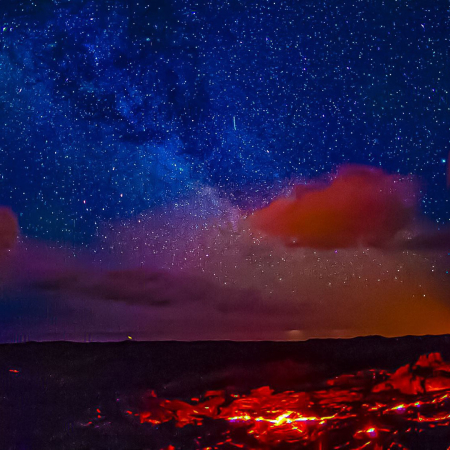
Deluxe Twilight Volcano And Stargazing Tour
See the top Hawai’i Island sights during the afternoon and... More
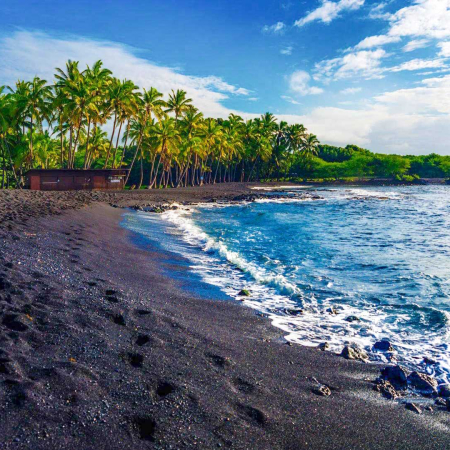
Grand Circle Tour Of The Big Island
See the best parts of the Big Island of Hawai‘i on this... More
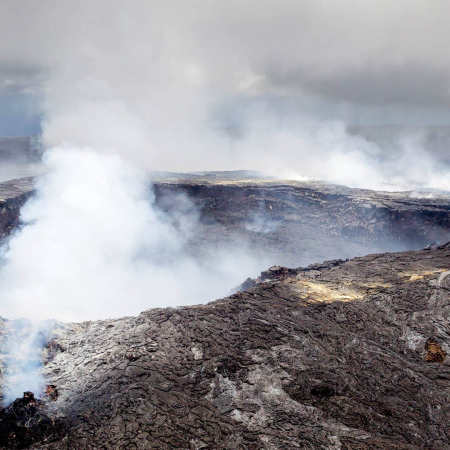
Big Island Volcano Tour From O‘ahu And Maui
Take a one day trip from O‘ahu to the Big Island Of Hawai‘i... More






 © 2025 Hawaii Tours. Photo by Kamerya Hanohano. All rights reserved.