From Chief of War to Pearl Harbor — A Story of Courage and Sacrifice
How Chief of War and Pearl Harbor Share Hawai‘i’s Warrior Legacy


Search For Tours
Chief of War puts Hawaiʻi’s aliʻi (chiefs) back at the center of the story, spotlighting the unification of the islands and the values that made it possible – courage, protection, and sacrifice. The series (co-created by Jason Momoa) debuted on Apple TV+ in August 2025 and reignited global interest in the period when Hawaiʻi’s destiny was forged.
At Pearl Harbor, those same values come to life. Walking the memorials is a history lesson and a bridge that connects the aliʻi who protected the ʻāina (land) with the sailors and aviators who gave everything on December 7, 1941.


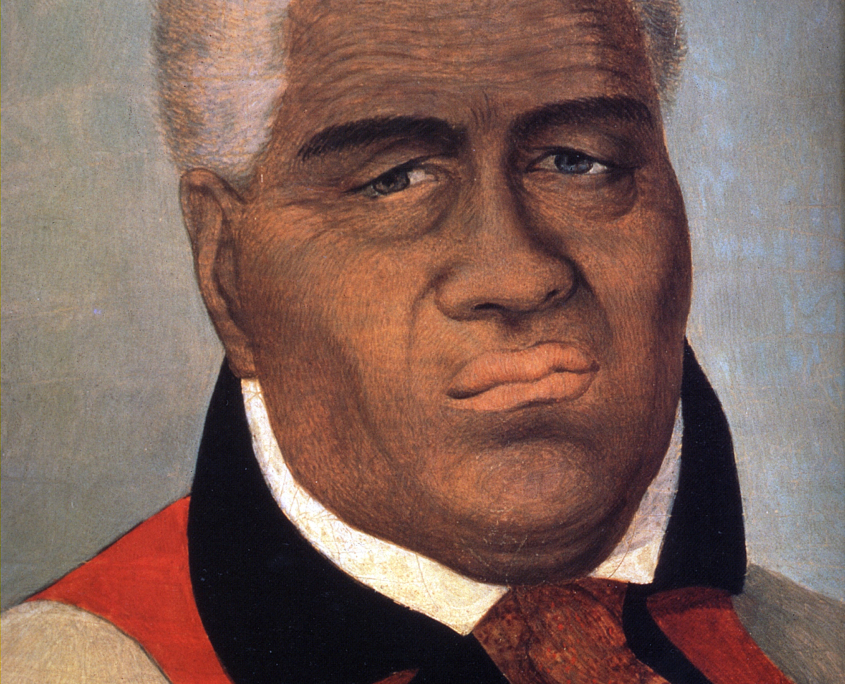
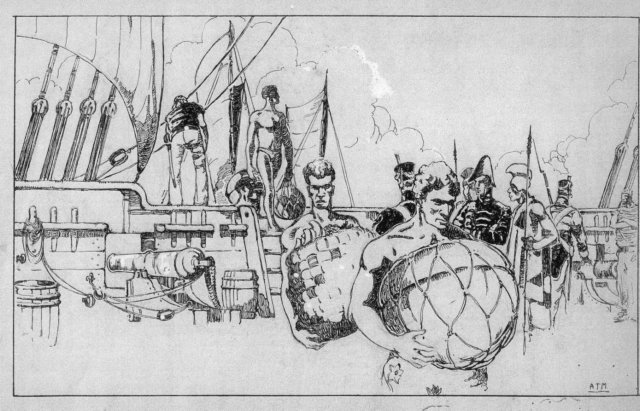
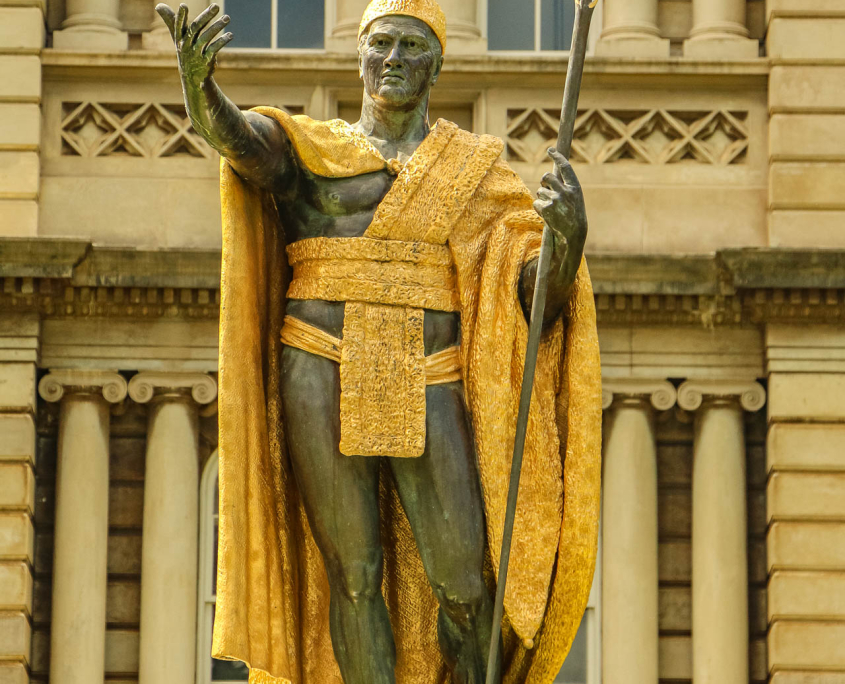
Kamehameha I’s campaign succeeded not only because of martial skill and diplomacy but also because he adopted new technology and training from Western traders and advisors – firearms, artillery, naval tactics, and the expertise of figures like Isaac Davis and John Young.
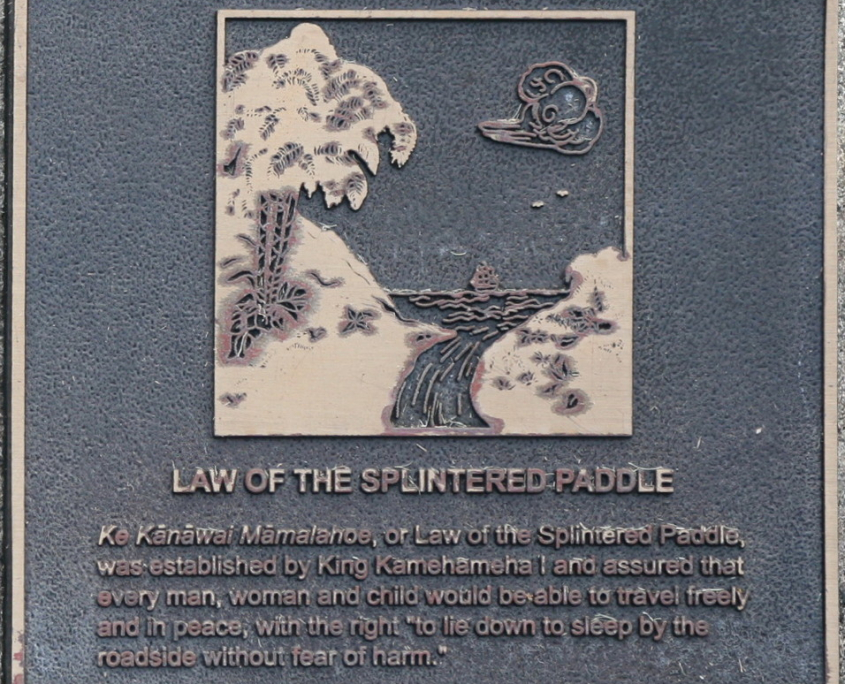
After a formative incident in Puna, Kamehameha proclaimed Kānāwai Māmalahoe – “Let every elderly person, woman, and child lie by the roadside in safety.” Today, that principle is enshrined in the Hawaiʻi State Constitution (Article IX, Section 10). In simple terms: power must protect the vulnerable.
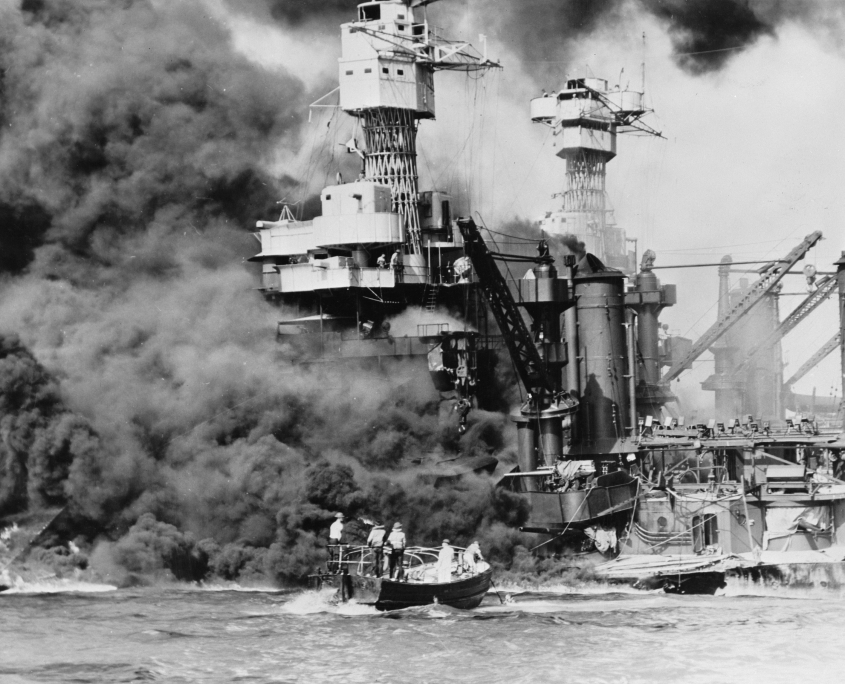
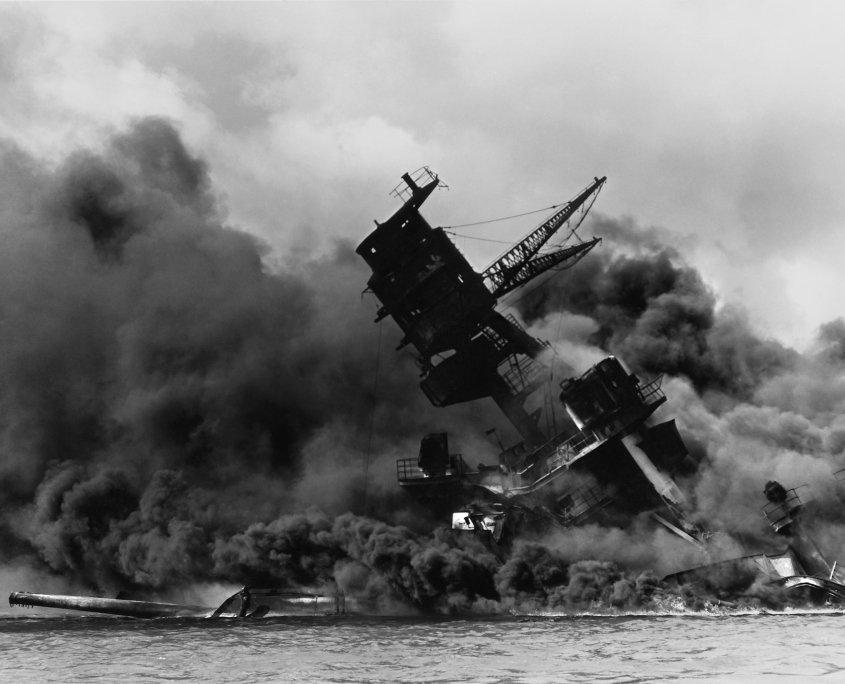
On the morning of the attack, Japanese aircraft destroyed or damaged 19 U.S. warships and roughly 300 aircraft, killing over 2,400 U.S. personnel – nearly half from the USS Arizona. The nation pivoted from shock to resolve, and Hawaiʻi became the front door to America’s Pacific war.
Why Hawaiʻi Mattered
Annexed in 1898, the islands became a strategic hub for the U.S. Pacific Fleet. Geography put Hawaiʻi at the center of logistics, training, and intelligence – and later, at the center of remembrance.
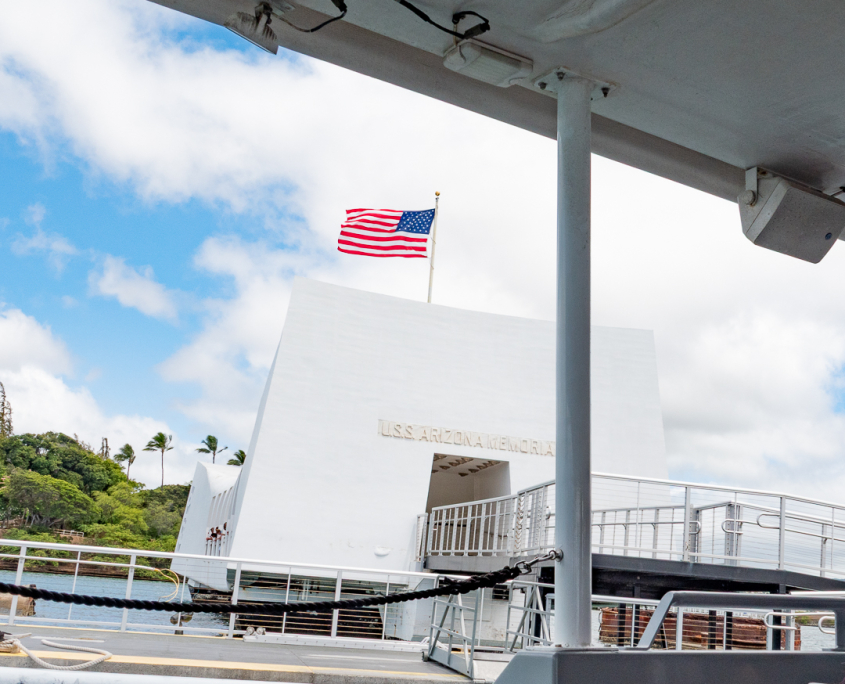
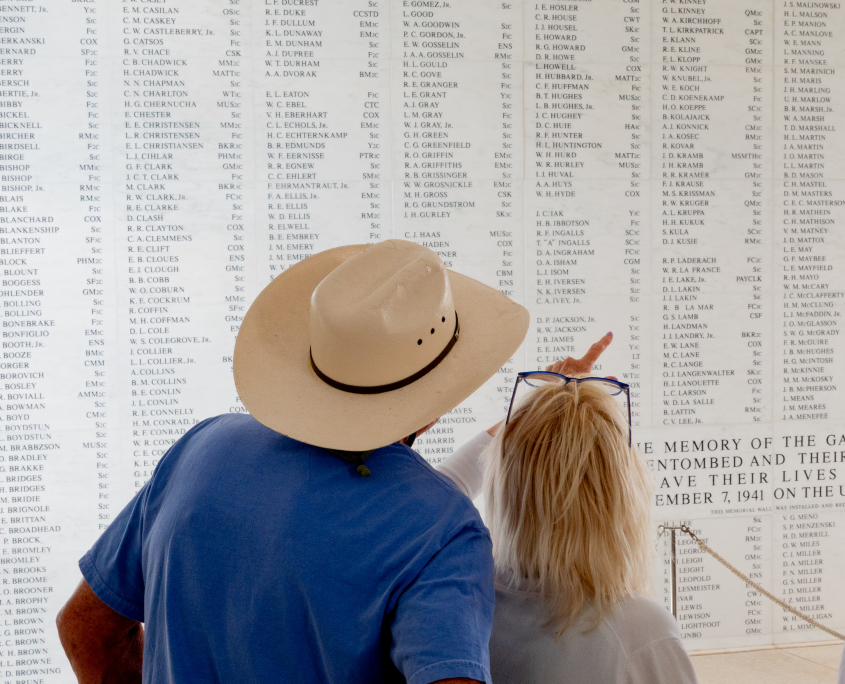
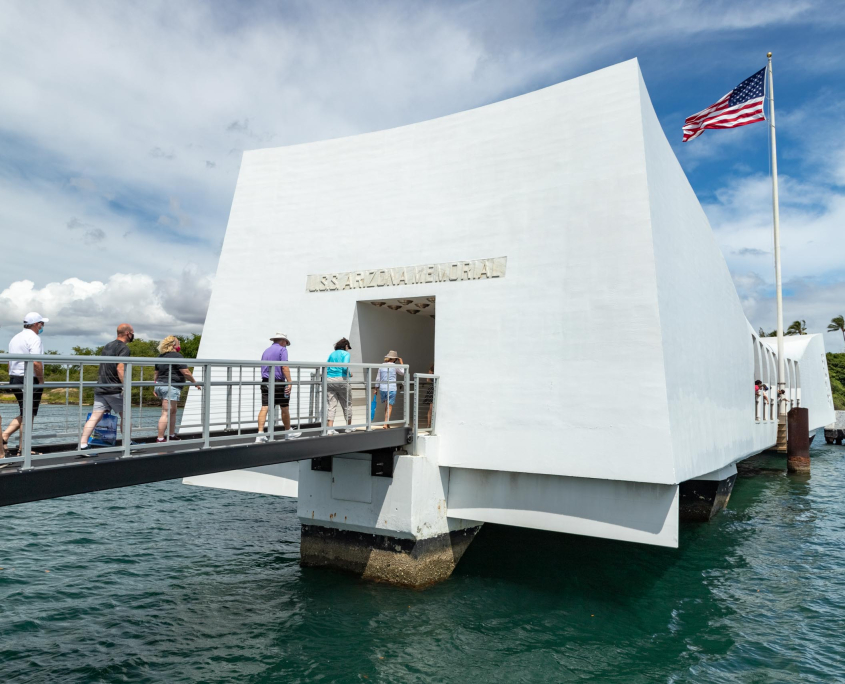
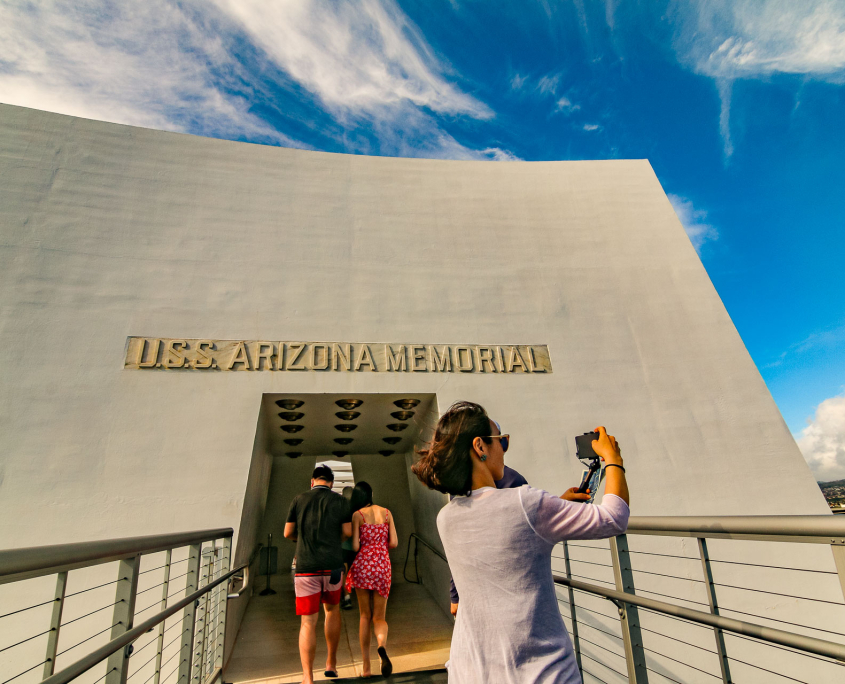
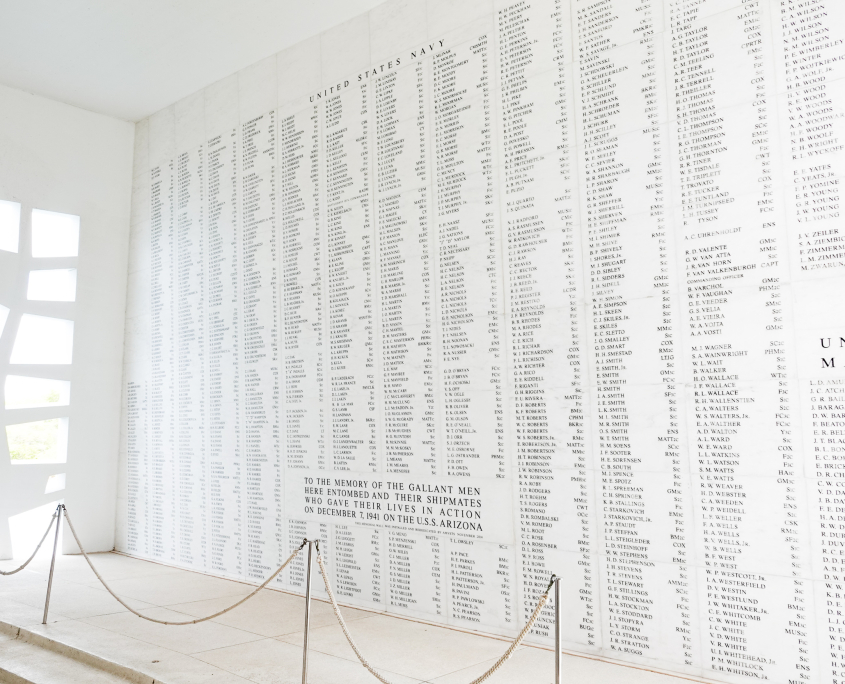
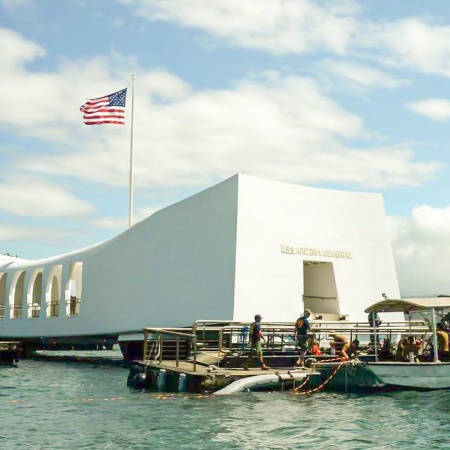
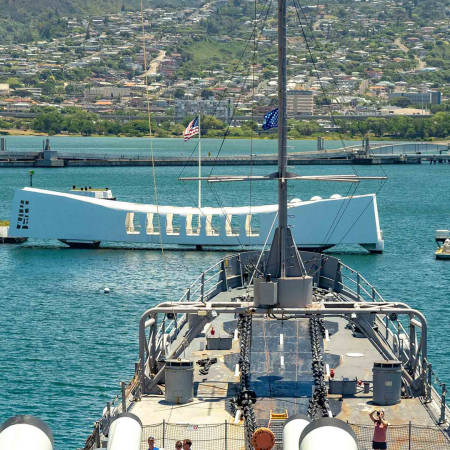
The USS Arizona Memorial honors 1,177 sailors and Marines who perished aboard. The shrine room’s marble wall lists every name – a roll call that turns statistics into faces and families.
Aim for the earliest morning program; it’s calmer, cooler, and more reflective. Book official tickets online in advance when available.
This sleek, white structure spans the sunken battleship. You’ll take a brief boat ride to the memorial, walk through the open-air structure, and enter the shrine room of names – 1,177 carved in to marble. It’s quiet, intentional, and unforgettable.
Programs operate in timed blocks. Book early; arrive earlier. Build buffer time around your slot for security and boat departures.
Treat it as you would a cemetery: silence, and no phone calls. Photos are fine; be mindful of those grieving.

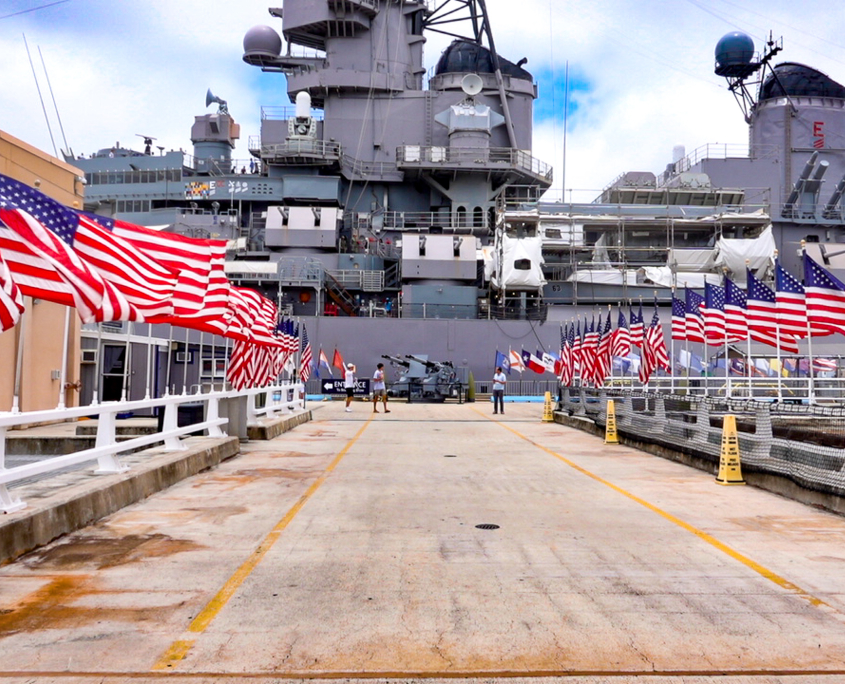
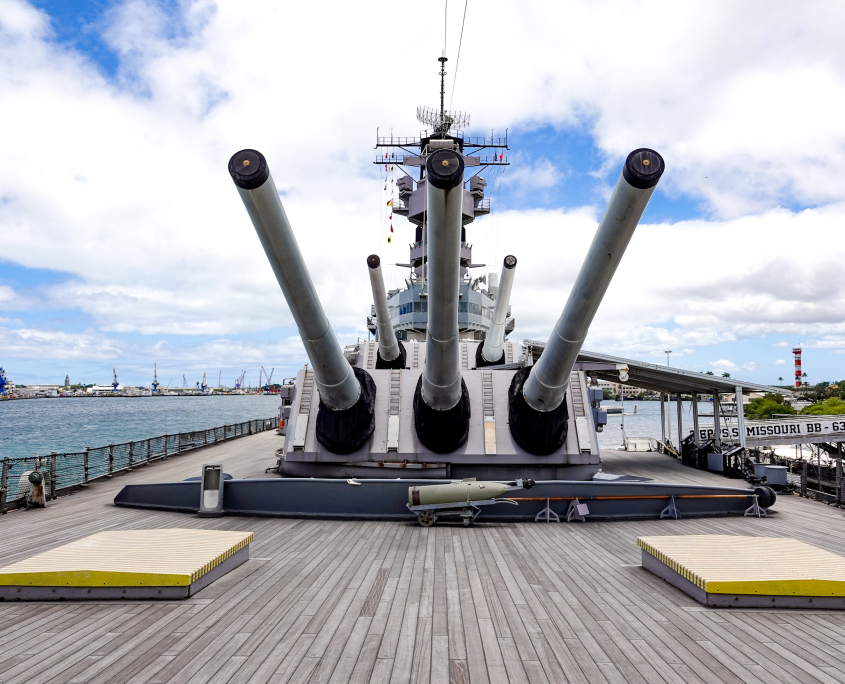
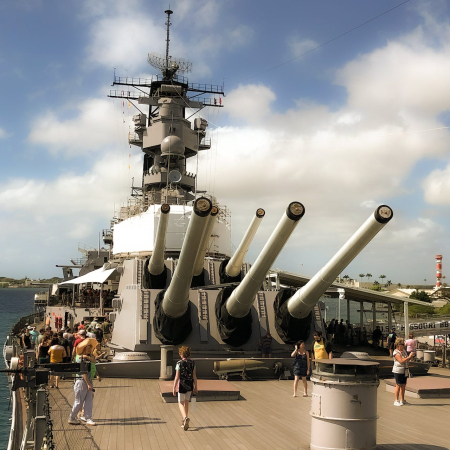
Walk the teak decks where Imperial Japan signed the Instrument of Surrender on September 2, 1945. Docents bring the moment to life – pens poised over paper, cameras rolling, a 23-minute ceremony that closed a world war.
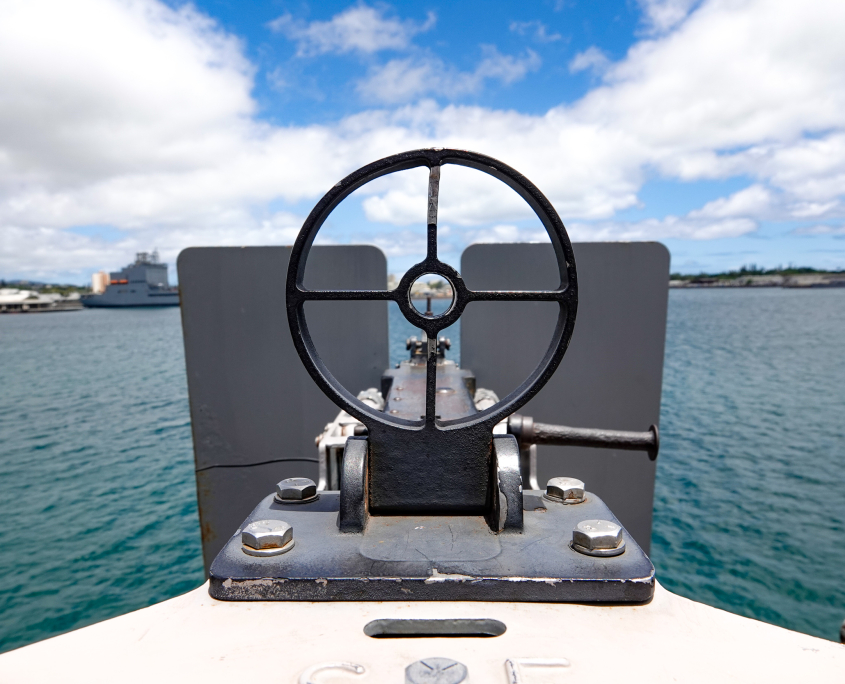
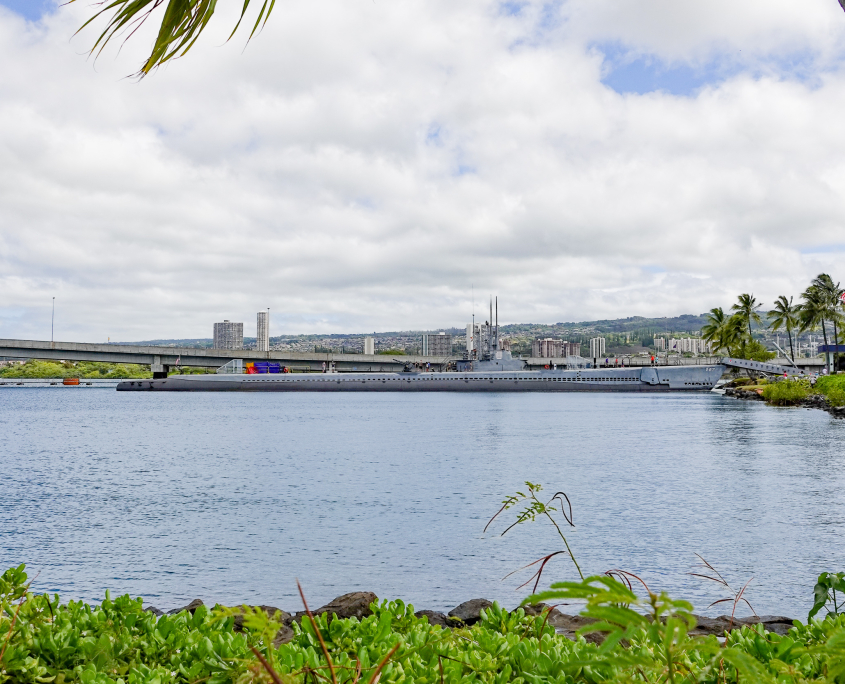
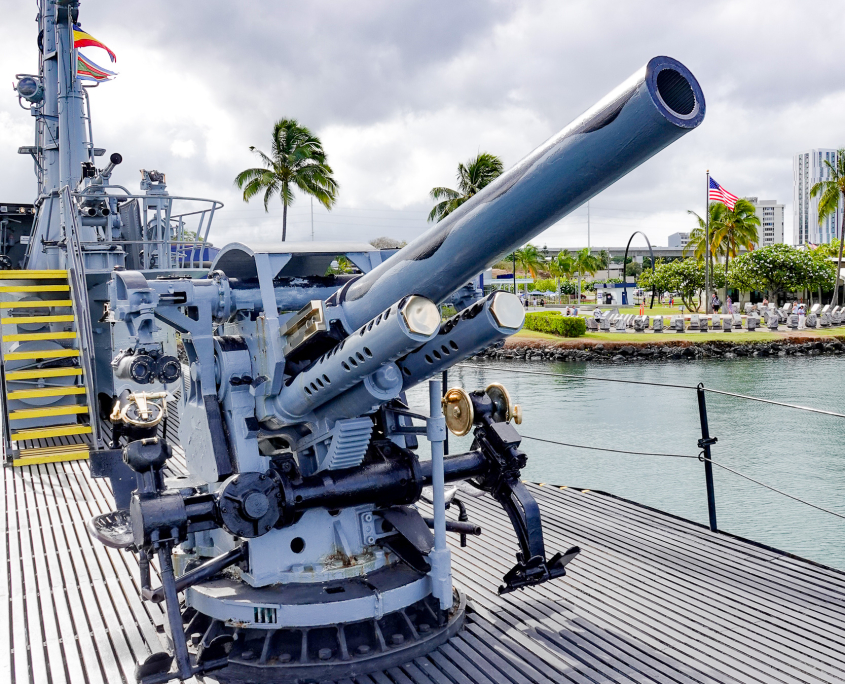
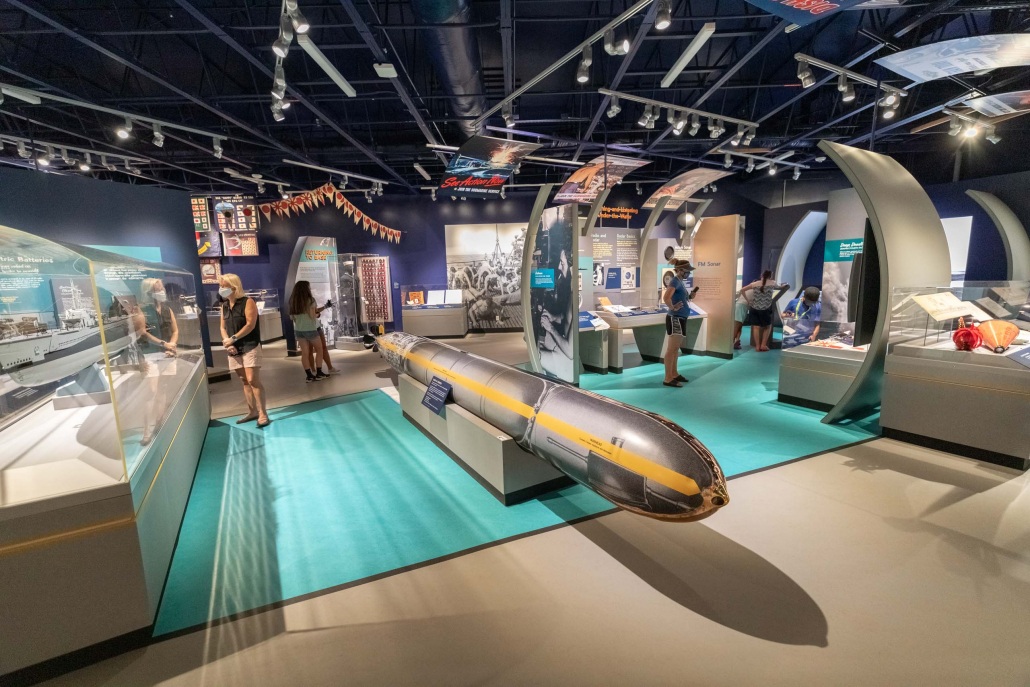
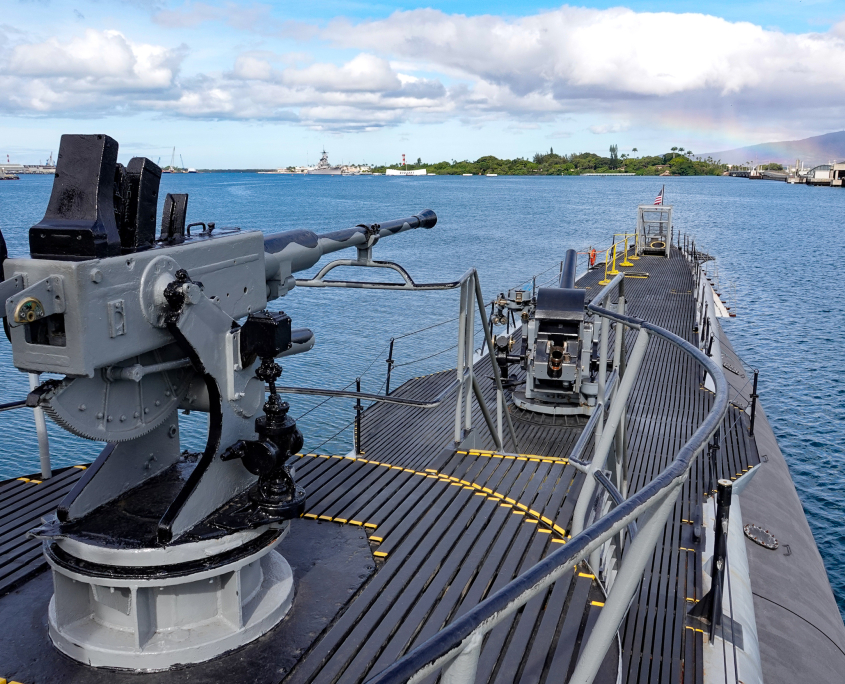
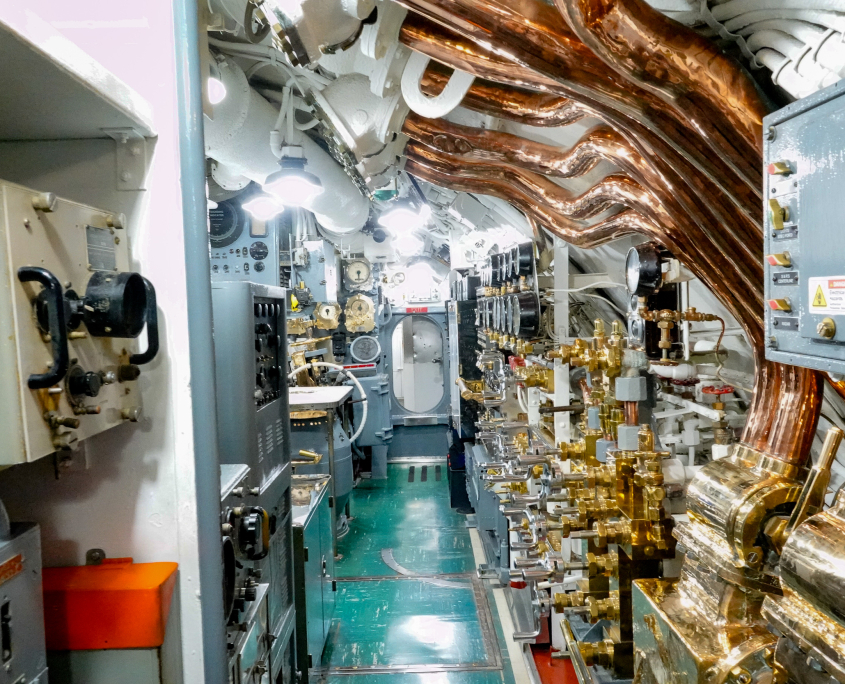
Nicknamed the “Pearl Harbor Avenger,” Bowfin anchors a museum that traces the U.S. Silent Service from WWII into the nuclear age. The audio tour adds texture – creaking hulls, claustrophobic corridors, and stories of stealth.
Open daily 7 a.m. – 5 p.m.; last entry 4:30 p.m. Adult walk-up admission currently lists at $25.99 (subject to change). Consider purchasing online for a small discount and arrive early for cooler temperatures.
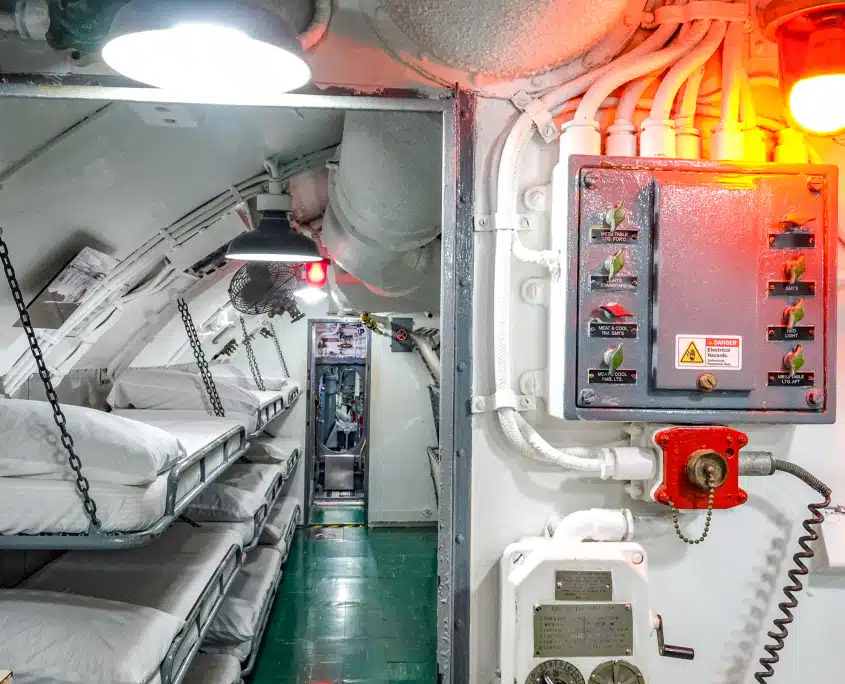
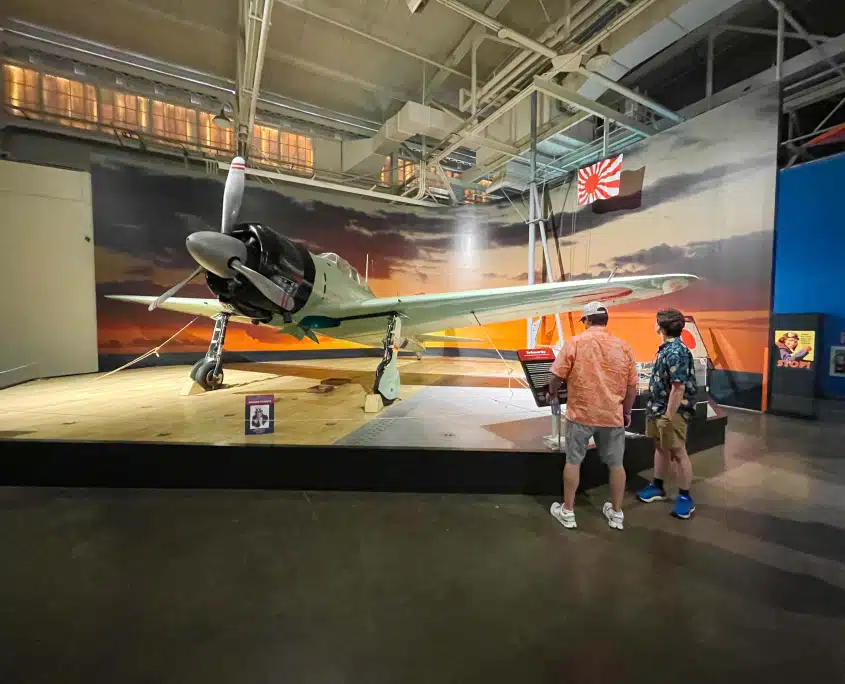
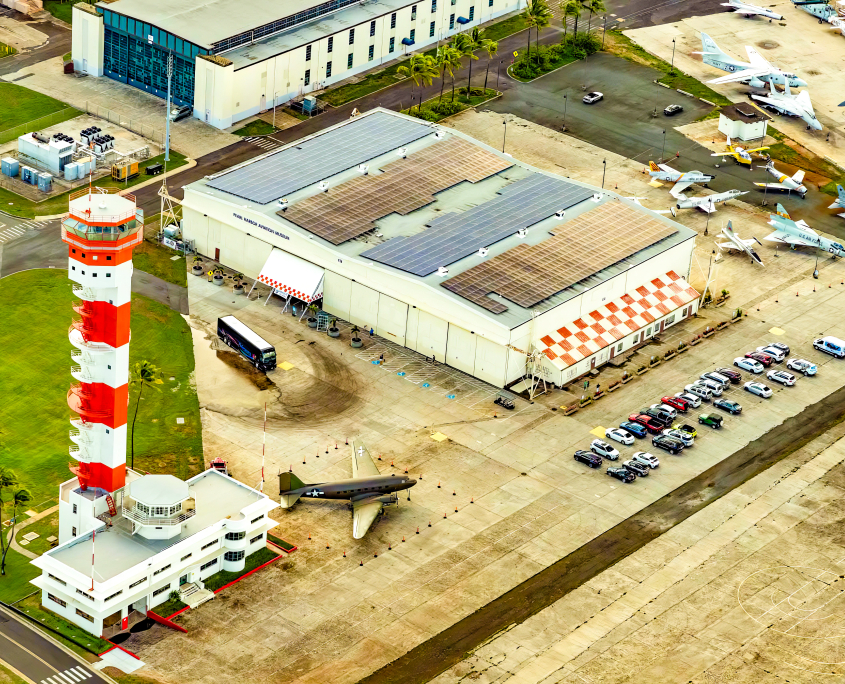
Located on Ford Island, the museum houses restored aircraft, flight simulators, and exhibits inside two historic hangars. Hangar 79 still bears bullet holes from the attack – physical scars that stop visitors in their tracks. Guided tours can include elevator rides and battlefield views.
If you want the “all-sites” experience, the Passport typically includes general admission to Battleship Missouri, Pearl Harbor Aviation Museum, Pacific Fleet Submarine Museum, and the Visitor Center audio tour. It’s valid over two consecutive days so you don’t have to rush.
Complete Pearl Harbor Historic Sites Tour
Spend The Day Exploring All The Attractions At Hawai'i’s #1... More
Complete Pearl Harbor Tour From Maui, Kauaʻi, or The Big Island
Fly To Oʻahu And Spend A Full Day Exploring All The Attractions... More
USS Arizona Memorial, Battleship Missouri Plus City Tour incl. Punchbowl
Visit Pearl Harbor. Go and See The USS Arizona Memorial And Board... More
Try the simple greetings: aloha, mahalo. Ask before photographing people.
Remember: Pearl Harbor is a place of loss, not a theme park.
Follow posted rules, pack out trash, speak softly in memorial spaces, and help keiki understand why we show respect here.
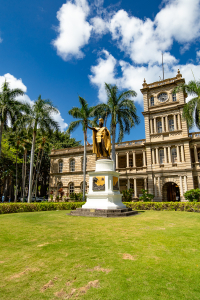
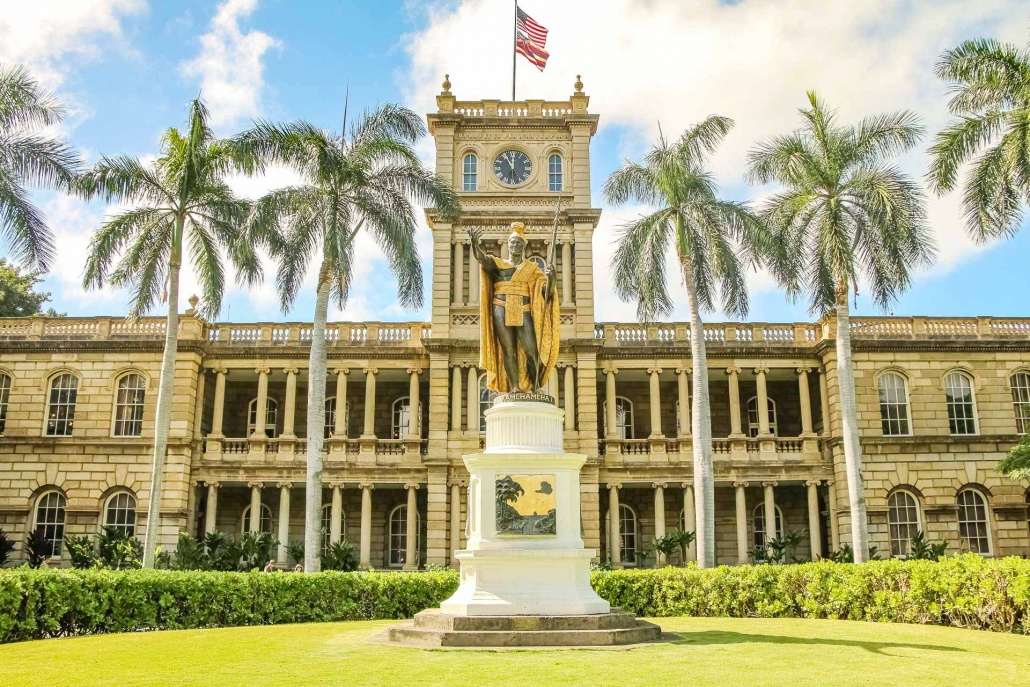
Visit ʻIolani Palace (the only royal palace in the U.S.), see the King Kamehameha Statue, and tour Aliʻiōlani Hale.
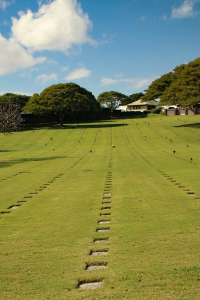
A solemn resting place for U.S. service members with panoramic views of Honolulu.
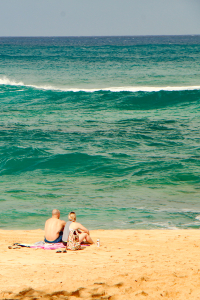
Waikīkī (classic surf and skyline views), Lanikai (soft sand and turquoise waters), and the North Shore (winter surf, summer snorkeling).
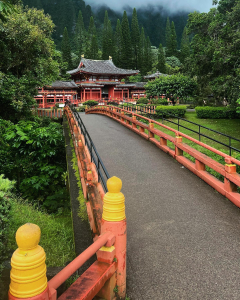
Hike Diamond Head for sunrise, visit the peaceful Byodo-In Temple, or snorkel at Hanauma Bay (advance reservations required).
For a deeper dive into Oʻahu adventures, check out our Oʻahu itineraries and activity guide for first timers.
Pearl Harbor is about 25–40 minutes from Waikīkī, depending on traffic. If your tour includes Ford Island stops like the Battleship Missouri or the Aviation Museum, you’ll take an official shuttle.. Plan your day with extra buffer time if you’re booking more than one site.
This isn’t just a tourist attraction – it’s a memorial. Wear light clothing, comfortable shoes, and bring sunscreen and water. If you’re boarding ships or submarines, closed-toe shoes are a must. Large bags aren’t allowed inside the sites, and storage lockers are limited, so travel light and hands-free.
Pearl Harbor is family-friendly and accessible. Strollers work well at the Visitor Center, but baby carriers are easier on ships and submarines. Most memorials and museums accommodate visitors with mobility needs, but check ahead for specific details. For keiki, make it interactive: point out names on the Arizona Memorial, talk about the bullet holes in Hangar 79, and connect those stories back to the warrior values seen in Chief of War.
Walking through Pearl Harbor isn’t just about looking at historic ships or exhibits – it’s about asking yourself what courage looks like in your own life. The aliʻi in Chief of War and the defenders of Pearl Harbor both lived with sacrifice for something greater. That’s a lesson we can all carry home.

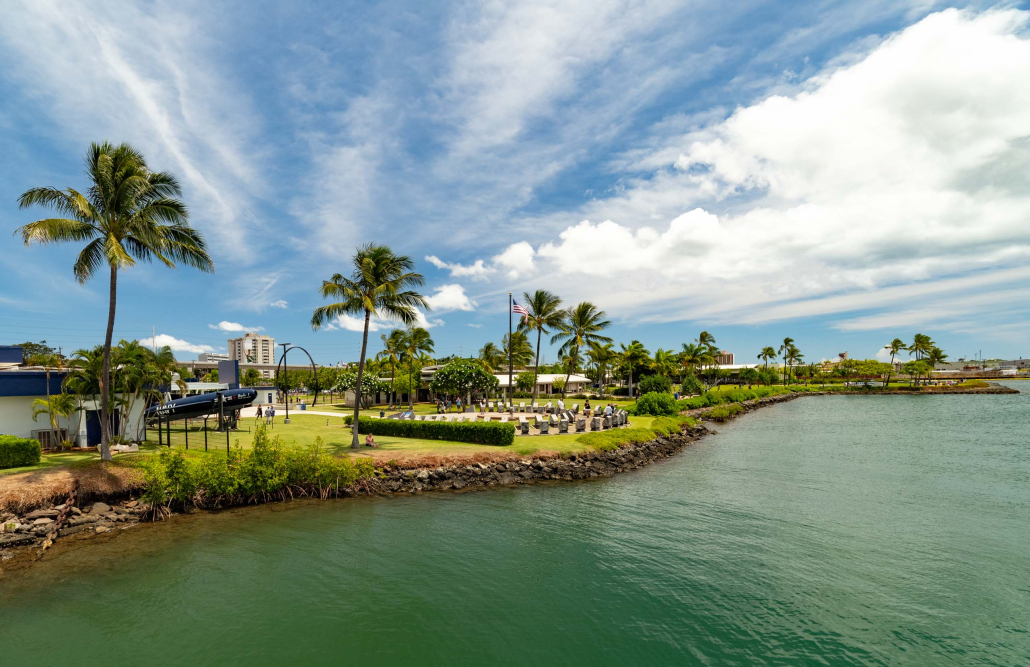
Whether you’re streaming Chief of War or standing beneath the arches of the USS Arizona Memorial, the message is clear: Hawai‘i’s history isn’t frozen in the past. The warrior values of protection, sacrifice, and aloha are alive in the choices we make today.
Pearl Harbor isn’t just another stop on your Oʻahu itinerary – it’s a place where Hawai‘i’s past and present meet. Watching Chief of War gives you the story; standing at Pearl Harbor lets you feel it. From aliʻi who united the islands to sailors who stood watch in WWII, the warrior spirit lives on in these waters.




 © 2025 Hawaii Tours. Photo by Kamerya Hanohano. All rights reserved.