Big Island SCUBA Diving
Kona Reef Adventures, Manta Rays & Blackwater Night Dives


Search For Tours
Explore Volcanic Reefs & Experience Kona After Dark
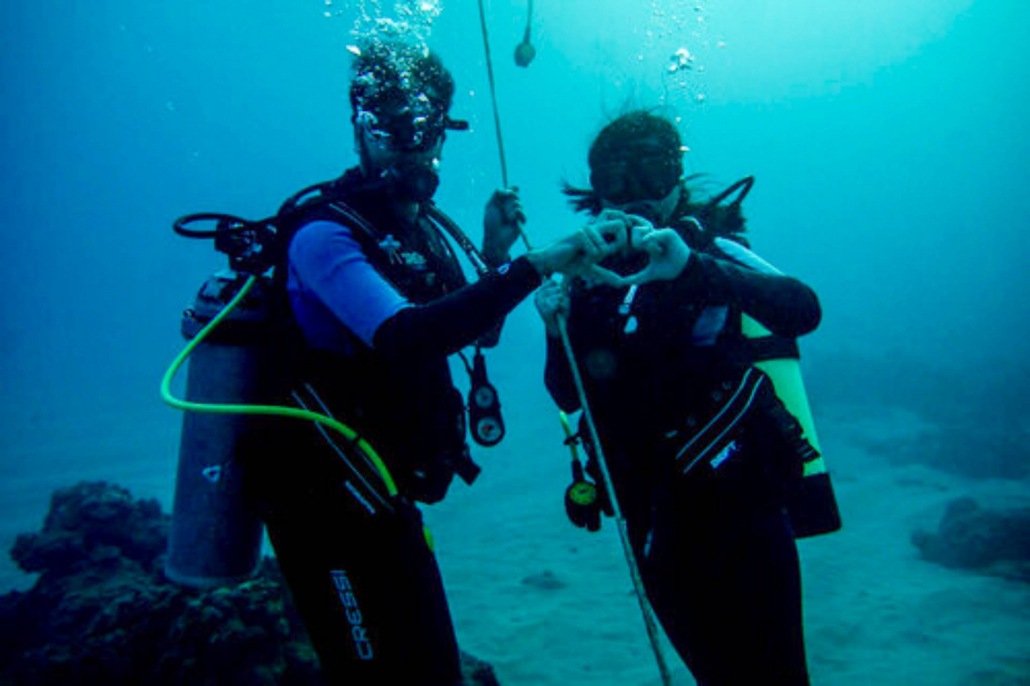
Discover Hawaii Island beneath the waves with guided SCUBA adventures along the Kona Coast. Explore reefs shaped by volcanic activity, watch colorful fish move through coral habitats, and discover a different underwater world after sunset. Choose a two-tank morning outing for daytime reef exploration, experience the anticipation of a manta ray night dive, or venture offshore on a blackwater dive designed for experienced divers. Each trip offers a different perspective on Kona’s marine environment. Compare certification requirements, recent diving experience, and equipment inclusions to find an adventure that fits your abilities and the underwater encounters you hope to enjoy here.
Choose From Morning Reef Dives & Specialized Night Experiences
Browse Kona diving trips, from two-tank reef adventures to manta ray encounters and offshore blackwater excursions. Compare dive formats, experience requirements, equipment options, and trip lengths before choosing. Whether you’re returning to the water or planning a specialized night dive, find an outing that matches your certification and comfort level.

Kona Manta Ray Night Dive
Join us for an evening of entertainment with a manta ray dive.... More

2-Tank Manta Ray Night Dive Charter
Dive n colorful reefs, and see manta rays on this epic night dive... More

2-Tank Local Morning Dive
Experience how the reef starts its day in this 2-tank morning... More

Black Water Night Dive
Explore a pelagic black water night dive and have your mind... More

Premium Advanced 2-Tank Long Range Charter
Join us on Hawai'i’s most exclusive dive boat. Dive lush reefs... More
Discover Reef & Night Diving Along the Kona Coast
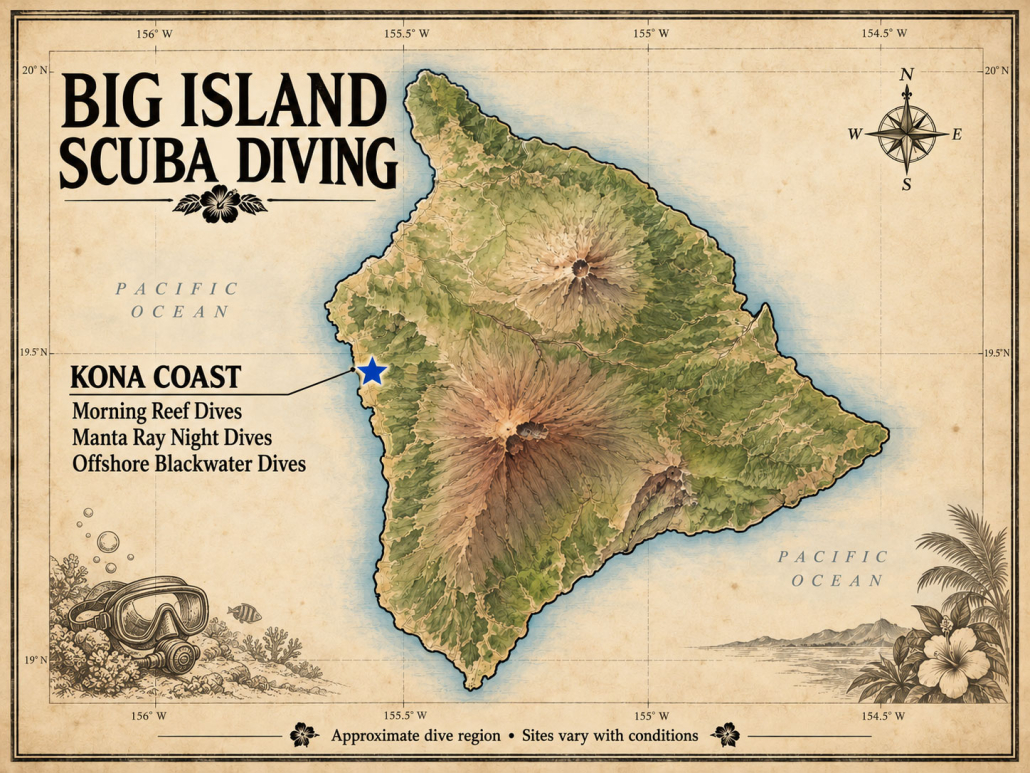
The featured diving adventures explore waters off the Kona Coast on Hawaii Island’s west side. Morning trips visit reef sites selected for the day’s conditions, while manta ray night outings focus on opportunities to observe these animals after sunset. Blackwater dives venture farther offshore, introducing experienced divers to small open-ocean creatures suspended in the darkness. Use the map to locate the general diving region and plan your journey to the departure point. The marker does not identify a fixed dive site: routes, viewing locations, and offshore positions vary. Your booking confirmation provides the meeting point, check-in time, and arrival instructions.
What to Know About Certification, Night Dives & Planning Your Trip
Which Kona diving experience should I choose?
Choose a two-tank morning trip for daytime reef exploration. A manta ray night dive offers a different focus, with an opportunity to observe mantas feeding after dark. Blackwater diving is a specialized offshore experience centered on small pelagic creatures rather than reefs or manta rays. Start with your qualifications and recent experience, then choose the underwater setting that interests you most.
Do I need SCUBA certification?
Book a certified-diver ticket only if you hold the required certification and meet the trip’s experience requirements. A guided dive is not automatically an introductory lesson, and a refresher is intended for someone who is already certified. If you have never dived, ask our team about an introductory SCUBA experience or snorkeling option rather than booking a standard certified-diver charter.
What does a two-tank dive include?
A two-tank trip normally means two separate dives, with a surface interval between them. It does not mean wearing two tanks at once or remaining underwater for the entire charter. The overall outing includes time for boating, briefings, equipment preparation, and breaks. Underwater time depends on factors such as depth, air consumption, conditions, and the dive plan.
How is a manta ray night dive different from manta snorkeling?
SCUBA participants breathe from diving equipment below the surface, while snorkelers observe from the surface using snorkeling equipment. Some outings offer both activities, but they have different tickets, equipment, and participation requirements. Check that you are selecting the intended option, especially when traveling with companions who are not certified divers.
What is blackwater diving?
Blackwater diving takes place offshore at night over deep ocean water. Divers remain in the upper water column using a tether system while observing small animals drifting nearby. Possible encounters include larval fish, translucent invertebrates, squid, and other pelagic life. You are not descending to the seabed, and the experience is very different from following a reef with a dive light.
How experienced do I need to be for the blackwater dive?
The featured blackwater experience currently requires at least 50 logged dives, excellent buoyancy control, and a dive within the previous six months; a pool refresher does not satisfy that recent-diving requirement. The Hawaii Tours listing is for adults aged 18 and older. Confirm all participation requirements before reserving—certification alone does not establish readiness for this specialized night dive.
Can I join if I haven’t dived recently?
Tell our team when you last dived, how many dives you have completed, and how comfortable you feel. Requirements vary by trip. The featured 2-Tank Local Morning Dive requires a refresher or qualifying checkout dive if you have not dived for more than two years. Blackwater diving has a much shorter recency requirement, so do not assume one refresher makes you eligible for every outing.
Is all diving equipment included?
Inclusions vary. Tanks, weights, and a guide may be included while a regulator, buoyancy compensator, wetsuit, dive computer, or other equipment may require rental. Night trips also have lighting requirements. Review your selected ticket carefully and provide equipment sizes in advance. If nitrox is offered, confirm the certification required to use it.
Are manta rays and other wildlife guaranteed?
No. These trips take place in the animals’ natural environment, so sightings and behavior vary. Reef species, manta activity, and blackwater encounters can differ from one outing to another. Check the selected tour’s wildlife policy before booking, including whether any return-trip arrangement applies if mantas do not appear.
How should I plan flights and mountain activities around diving?
Allow a suitable surface interval after your final dive before flying. For divers without decompression-sickness symptoms, published guidance recommends at least 12 hours after a single no-decompression dive and at least 18 hours after multiple dives or multiple days of diving. Longer intervals reduce risk further. Driving to higher elevations also matters, including mountain excursions and cross-island routes. Discuss your itinerary with the dive team before booking, and follow any stricter trip requirements.
Plan More Ocean Adventures & Island Discoveries
Keep discovering the Big Island with activities beyond its gardens and attractions. Sample island-grown flavors on a farm visit, explore scenic landscapes by bike, or head out on a snorkeling adventure. Browse our Big Island experiences to find more ways to enjoy the island’s natural beauty, local culture, and outdoor adventures.
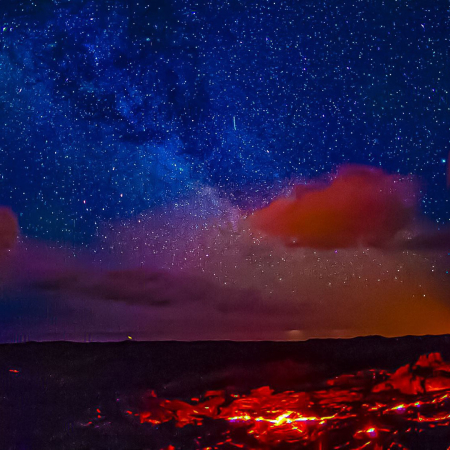
Deluxe Twilight Volcano And Stargazing Tour
See the top Hawai’i Island sights during the afternoon and... More

Big Island Helicopter And Volcano Sightseeing From O‘ahu and Maui
Enjoy a birds eye view of The Big Island on an inter-island... More
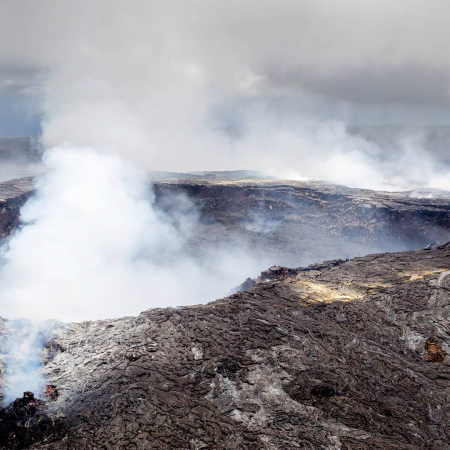
Big Island Volcano Tour From O‘ahu And Maui
Take a one day trip from O‘ahu to the Big Island Of Hawai‘i... More

Big Island Manta Ray Night Snorkel
Go for an unforgettable moonlight snorkel with manta rays off the... More

Explore The Waipio Ranch UTV Tour
This 2.5 hour UTV guided tour is packed with senic views, old... More
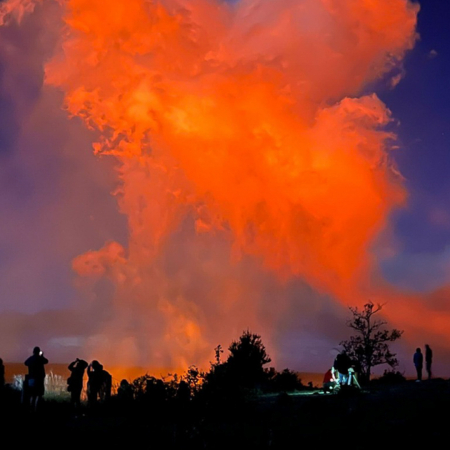
Ultimate Big Island Overnight Volcano Adventure
Take a once in a lifetime experience while in Hawaii by taking an... More

Island Breeze Lūʻau
Treat Yourself To A Royal Hawaiian Luau Held On The Former Estate... More

Hilo Horseback Riding Tour
Take a morning or afternoon horseback ride to a secluded... More

Big Island Of Hawaii Stargazing
Go Stargazing On The Big Island Of Hawaii. Go Up The Side Of... More
 Hawaii Tours delivers experiences. Book Hawaii better by going with locals who treat you like ohana.
 Free Cancellations & Easy Refunds
 Custom Vacation Packages & Tours
 Best Experiences & Value Guarantee Guests share great reviews about our top-rated local travel team.
 Be Part Of The Ohana (family)
 24/7 Guest Services & Support
 Be Treated Like You Are Ohana
 On-Island Managers, Guides & Owners
 No Interest Payment Plans


